

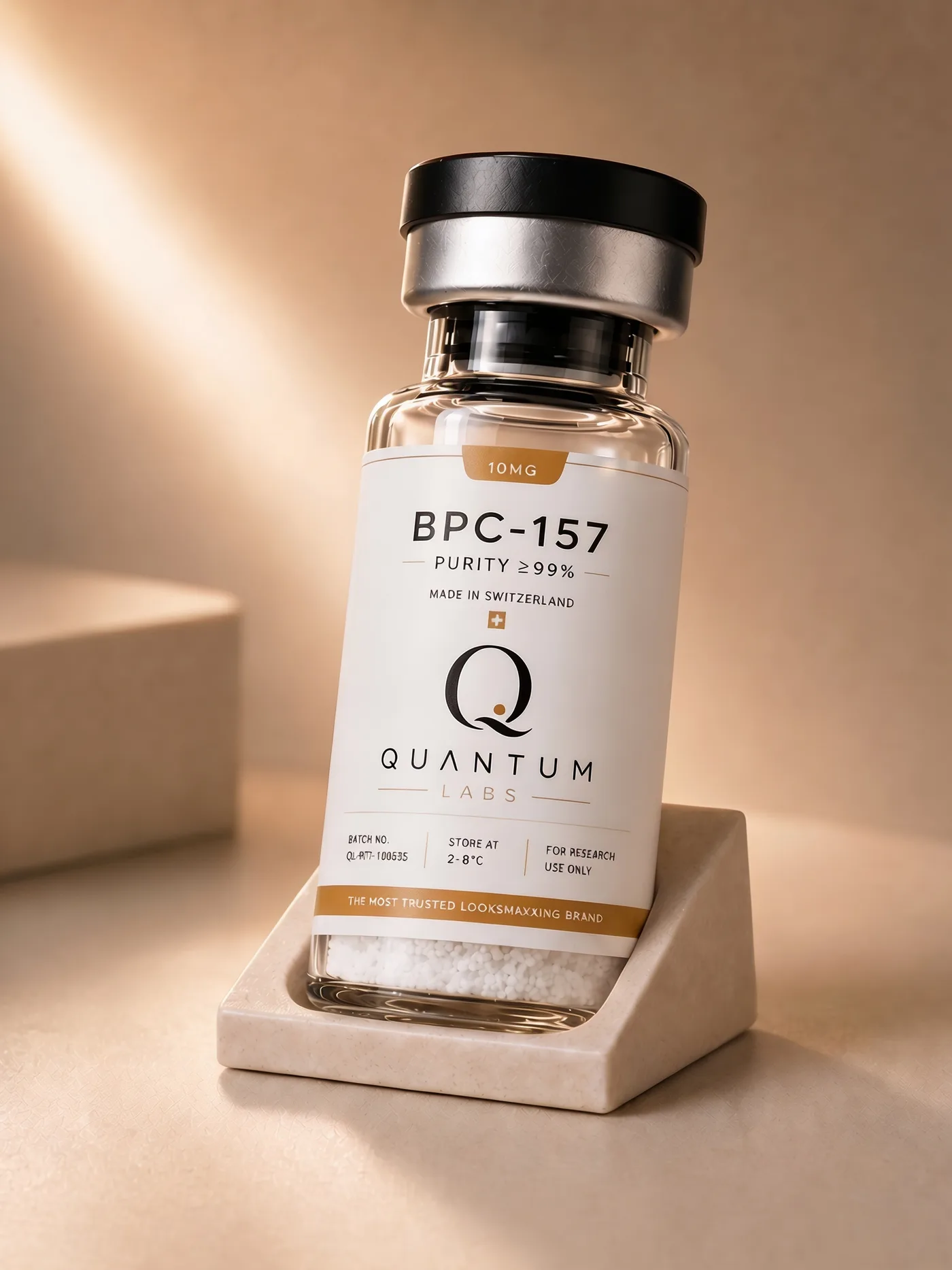
 Verpakking van 10 flacons7 op voorraadBespaar 17%
BPC-157 20 mg
Onderzoekspeptide voor weefselreparatie
Buy BPC-157 in Australia for research applications. Lab-tested, ≥99% purity, Australian-shipped.
Uitsluitend voor onderzoeksdoeleinden. Deze verbinding wordt strikt verkocht voor in-vitro-onderzoek en laboratoriumdoeleinden en is niet bestemd voor menselijke consumptie of therapeutisch gebruik. Door te kopen bevestigt u dat u een gekwalificeerde onderzoeker bent en gaat u akkoord met onze volledige disclaimer.
Nog maar 7 verpakkingen
Body Protective Compound 157 is een synthetisch peptidefragment, bestudeerd vanwege de effecten op weefselreparatieroutes, angiogene mechanismen en de integriteit van de darmslijmvliesbekleding in onderzoeksmodellen.
BPC-157 (Body Protection Compound 157) is a synthetic 15-amino-acid peptide derived from a protective protein originally identified in human gastric juice. It is one of the most extensively studied research peptides in tissue-repair literature, with published work spanning tendon, ligament, gastrointestinal, and vascular models. Quantum Labs supplies BPC-157 as a lyophilised powder in sealed 5 mg vials for research applications.
Australian researchers source BPC-157 through three channels: compounded prescription supply via registered pharmacies, imported reference standards, and research-grade peptide suppliers. Our material falls in the third category — supplied without therapeutic representation, certified to ≥99% HPLC purity, and shipped domestically from Australian stock. Every batch ships with identity confirmation by mass spectrometry available on request.
BPC-157 is most commonly the subject of research stacked with TB-500 (thymosin β-4 fragment), where the combination is studied for synergistic effects on tissue remodelling pathways. We supply both compounds individually and as a pre-portioned BPC-157 + TB-500 research stack.
Mechanisme
Onderzoek suggereert dat BPC-157 interageert met de stikstofmonoxideroute en groeifactorsignalering, geassocieerd met markers van weefselreparatie bij onderzoeksproefpersonen.
HPLC-geverifieerd tegen een zuiverheidsspecificatie van ≥99 %. Onafhankelijk getest door geaccrediteerde derdenlaboratoria.
Research applications
Peer-reviewed work on BPC-157 spans models of tendon and ligament healing, gut-barrier function, inflammatory bowel models, and vascular regeneration. Pentadecapeptide BPC-157 has shown protective effects across multiple organ systems in pre-clinical rodent studies, with proposed mechanisms involving the nitric oxide pathway, VEGF expression, and growth-hormone receptor modulation.
The compound is structurally distinct from native gastric BPC and is stable in human gastric juice — a property that has driven research interest in oral as well as injected delivery formats.
Storage and handling
Lyophilised BPC-157 is stable at room temperature for several weeks and at 2-8°C for several months in unopened sealed vials. Once reconstituted with bacteriostatic water, the working solution is typically stored at 2-8°C and used within 30 days. Avoid freeze-thaw cycles, which can degrade peptide integrity.
Bacteriostatic water for reconstitution is available as a separate research supply — see our Bacteriostatic Water listing.
BPC-157 — veelgestelde vragen
Is BPC-157 legal in Australia?
BPC-157 occupies a regulatory grey zone in Australia. The Therapeutic Goods Administration (TGA) has restricted compounded BPC-157 for human therapeutic supply, but the compound remains available for research and laboratory use when supplied without therapeutic representation. Quantum Labs supplies BPC-157 for research use only — not for human consumption.
What is BPC-157 used for in research?
Published research on BPC-157 spans tissue repair, tendon and ligament healing models, gastrointestinal protection studies, inflammatory bowel models, and vascular regeneration. It is one of the most well-cited tissue-repair peptides in pre-clinical literature. Quantum Labs supplies this compound for laboratory and pre-clinical research use only. It is not represented for human therapeutic use, and questions about clinical dosing, treatment effects, or personal use should be directed to a qualified medical practitioner.
What is the typical BPC-157 research dosage?
Published rodent studies have used wide dose ranges from approximately 10 μg/kg to 250 μg/kg, with the most common doses in tendon-healing models falling around 10-20 μg/kg. Human dosing is not established, as BPC-157 is not an approved therapeutic. Researchers should consult primary literature for protocol-specific guidance.
What are the documented side effects of BPC-157?
BPC-157 has shown a wide tolerability margin in pre-clinical rodent studies, with no significant toxicity reported even at doses far above the therapeutic range under study. Long-term human safety data is not available — BPC-157 has not undergone human regulatory trials. Quantum Labs supplies this compound for laboratory and pre-clinical research use only. It is not represented for human therapeutic use, and questions about clinical dosing, treatment effects, or personal use should be directed to a qualified medical practitioner.
Can BPC-157 be taken orally?
Research interest in oral BPC-157 stems from the parent molecule's natural origin in gastric juice — making it unusually stable in the gastrointestinal tract for a peptide. Both injected and oral delivery have been used in pre-clinical study designs. Quantum Labs supplies the lyophilised powder; researchers determine the appropriate delivery format for their study.
What's the difference between BPC-157 and TB-500?
BPC-157 is a 15-amino-acid synthetic peptide derived from a gastric protective protein, while TB-500 is a 17-amino-acid fragment of the natural protein thymosin β-4. Both are studied in tissue-repair research and are often used together. BPC-157 research focuses on vascular regeneration and nitric oxide pathway modulation; TB-500 research focuses on actin binding and cell migration.
Where can I buy BPC-157 in Australia?
Quantum Labs ships BPC-157 from Australian stock to verified researchers. Material is HPLC-verified ≥99% purity, third-party tested, and supplied for research use only. Domestic delivery is typically 2-5 business days from payment confirmation.
Gidsen over BPC-157
Onderzoekers bekijken ook
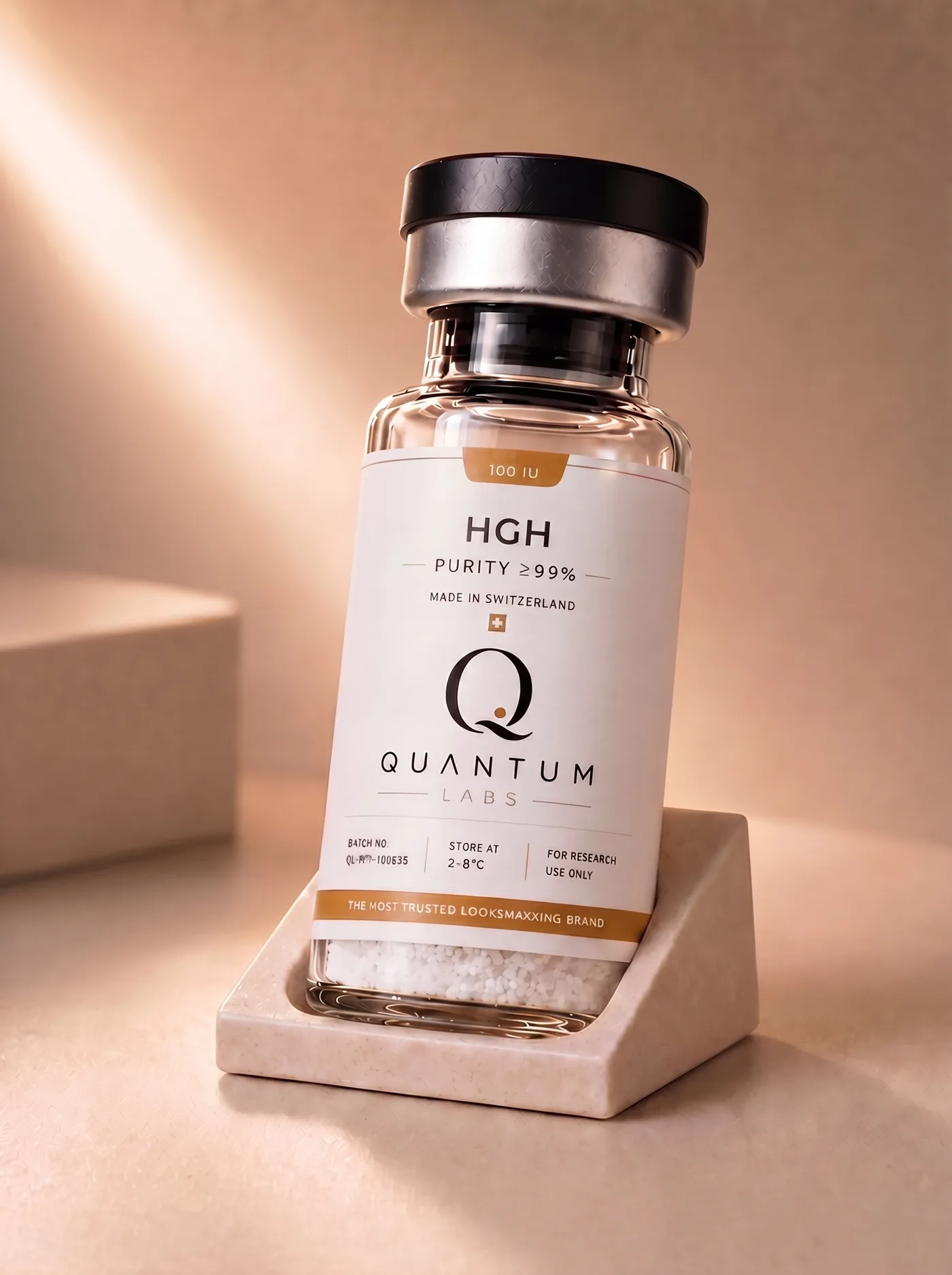 UitgelichtVerpakking van 10 flaconsBespaar 17%
HGH
Gelyofiliseerd poeder10 IU · 4 strengths
Recombinant humaan groeihormoon
In 2 combinaties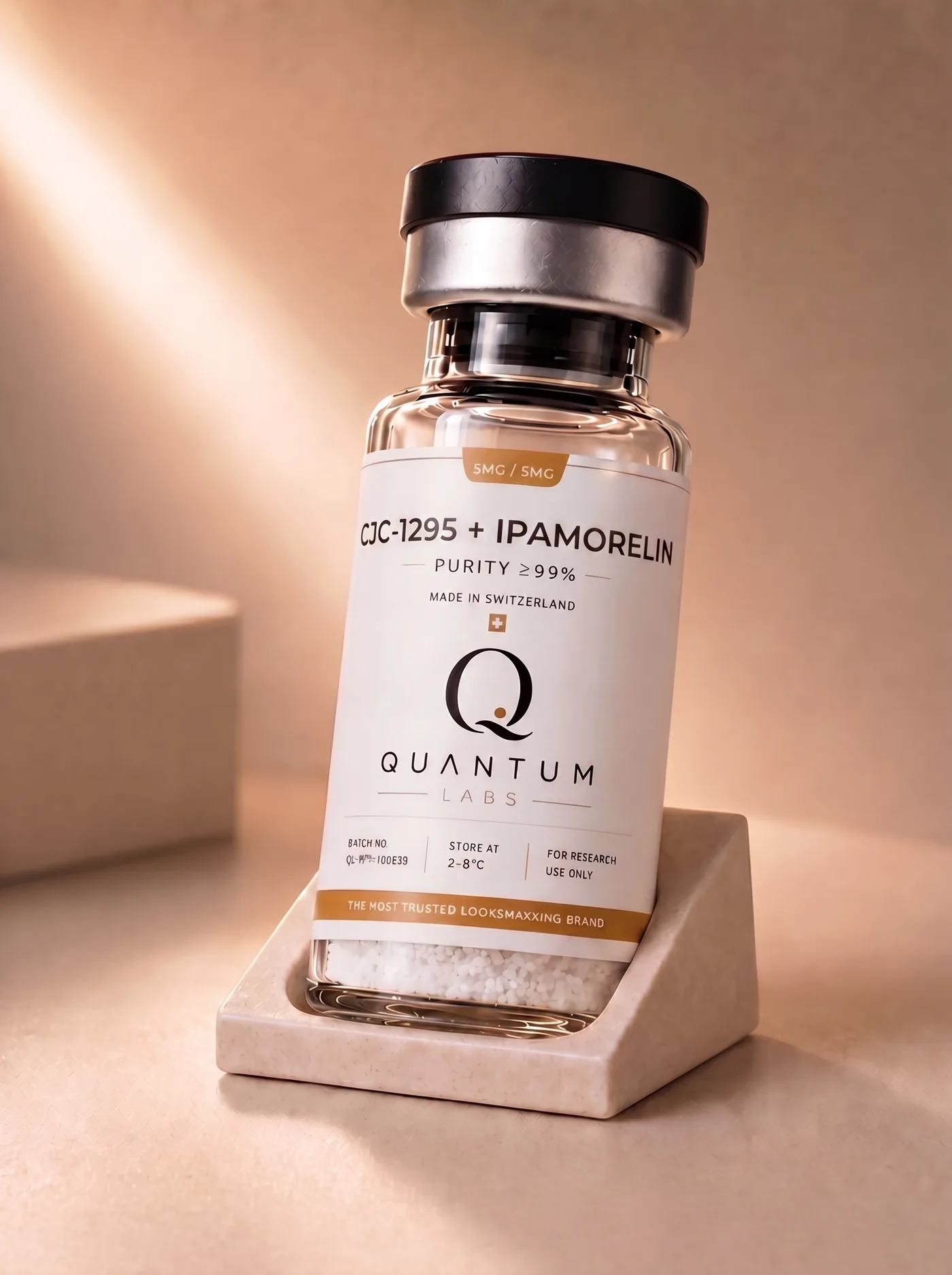 UitgelichtVerpakking van 10 flaconsBespaar 22%
CJC-1295 + Ipamorelin
Gelyofiliseerd poeder5 mg + 5 mg
Klassieke GHRH + ghreline-mimeticumcombinatie
In 2 combinaties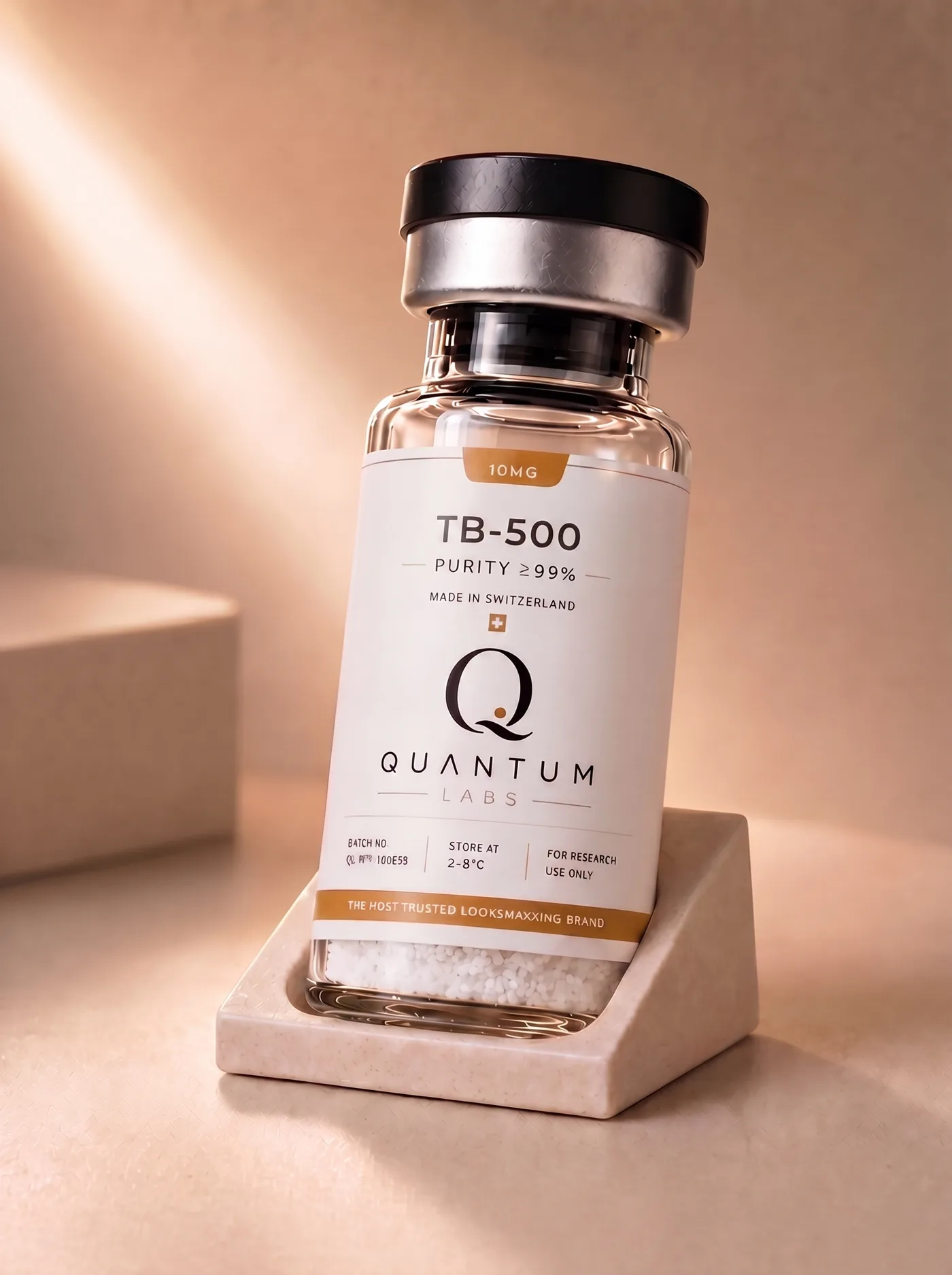 UitgelichtVerpakking van 10 flaconsBespaar 20%
TB-500
Gelyofiliseerd poeder5 mg · 2 strengths
Actine-bindend onderzoekspeptide