 10바이알 팩재고 419% 할인
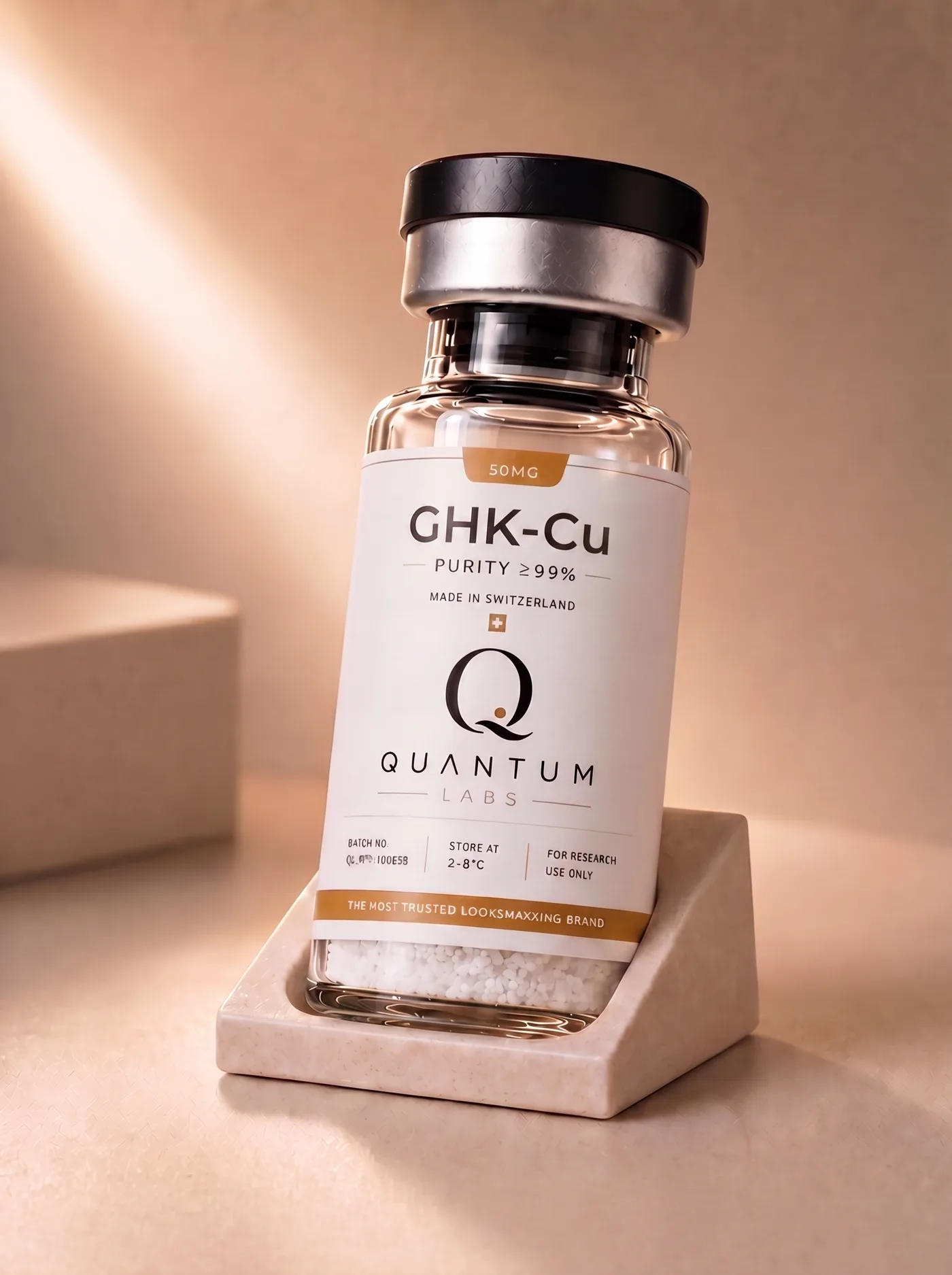
GHK-Cu 100 mg
구리 펩타이드 연구 복합체
GHK-Cu copper peptide for research applications, Australian-shipped. Lab-verified ≥99% purity.
연구 전용. 이 화합물은 체외 연구 및 실험실 용도로만 판매되며, 인체 섭취나 치료 목적 사용을 의도하지 않습니다. 구매함으로써 귀하가 자격을 갖춘 연구자이며 당사의 전체 면책 조항에 동의하는 것으로 간주됩니다.
4팩만 남음
트리펩타이드-구리 복합체. 조직 재구성, 피부 연구, 항산화 경로에서의 역할이 검토되었습니다.
GHK-Cu is a naturally occurring tripeptide-copper complex (Glycyl-L-Histidyl-L-Lysine bound to a copper(II) ion) found in human plasma at levels that decline with age. It is among the most extensively studied copper peptides in dermatological and regenerative research literature, with published work covering skin remodelling, hair-follicle research, and wound-healing models. Quantum Labs supplies GHK-Cu as a lyophilised powder for Australian research applications.
GHK-Cu sits unusually across the Australian regulatory landscape — listed cosmetic formulations are available alongside research-grade supply. Our material is HPLC-verified to ≥99% purity and supplied for research use, ships from Australian stock, and is accompanied by batch identifiers traceable to the certificate of analysis.
Research on GHK-Cu spans dermal collagen synthesis models, hair-follicle stem-cell signalling, and broader regenerative pathways including modulation of TGF-β and integrin expression. Topical and injected delivery formats have both been used in pre-clinical study designs.
작용 기전
구리 의존 효소 및 콜라겐 합성 지표와의 상호작용이 연구 모델에서 검토되었습니다.
순도 규격 ≥99%에 대해 HPLC로 검증되었습니다. 인증된 제3자 실험실에서 독립적으로 시험합니다.
Why the copper matters
The tripeptide GHK without copper has measurable but limited biological activity. The copper-bound form GHK-Cu shows substantially expanded activity profiles in research models — copper coordination appears to be essential for many of the regenerative effects studied in the literature. Quantum Labs supplies the pre-formed GHK-Cu complex rather than GHK alone, ensuring researchers work with the active form characterised in published studies.
GHK-Cu — 자주 묻는 질문
What is GHK-Cu?
GHK-Cu is a tripeptide-copper complex — Glycyl-L-Histidyl-L-Lysine bound to copper(II). It occurs naturally in human plasma and is studied for its role in skin remodelling, hair-follicle research, and wound-healing pathways.
Is GHK-Cu legal in Australia?
GHK-Cu has dual regulatory pathways in Australia — listed cosmetic formulations are available alongside research-grade supply for laboratory use. Quantum Labs supplies research-grade GHK-Cu without therapeutic representation, for laboratory research applications.
What does GHK-Cu do in research?
Published research on GHK-Cu spans dermal collagen synthesis models, hair-follicle stem-cell signalling, modulation of regenerative pathways (TGF-β, integrin expression), and wound-healing models. It is one of the most studied copper-binding peptides in regenerative research.
What's the difference between GHK and GHK-Cu?
GHK is the tripeptide Glycyl-L-Histidyl-L-Lysine. GHK-Cu is the same tripeptide complexed with a copper(II) ion. The copper-bound form shows substantially expanded biological activity in research literature, and is the form characterised in most published studies.
Can GHK-Cu be used topically?
Topical GHK-Cu formulations are used in both cosmetic products and research applications. Research studies have used topical, subcutaneous, and intradermal delivery formats. The compound penetrates skin in suitable carrier formulations.
What is the typical GHK-Cu research dosage?
Topical research formulations have used concentrations from 0.05% to 5% depending on the model. Injected research doses vary substantially by study design. Researchers should reference primary literature for protocol-specific guidance.
Where can I buy GHK-Cu in Australia?
Quantum Labs supplies research-grade GHK-Cu from Australian stock, HPLC-verified to ≥99% purity. Domestic shipping is typically 2-5 business days.
GHK-Cu 관련 가이드
연구자들이 함께 살펴보는 항목
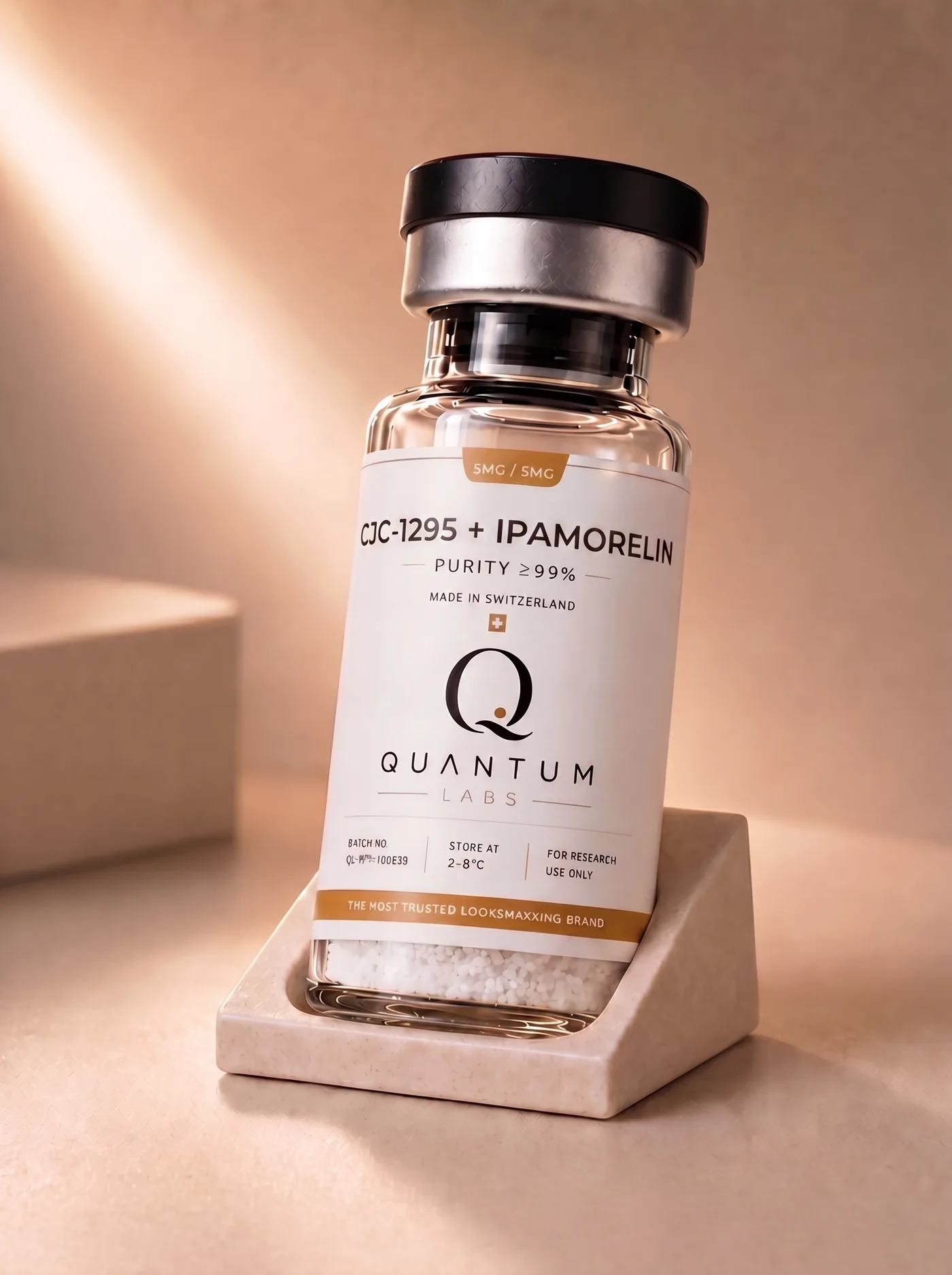 추천10바이알 팩22% 할인
CJC-1295 + Ipamorelin
동결건조 분말5 mg + 5 mg
고전적 GHRH + 그렐린 모방 스택
2개 스택에 포함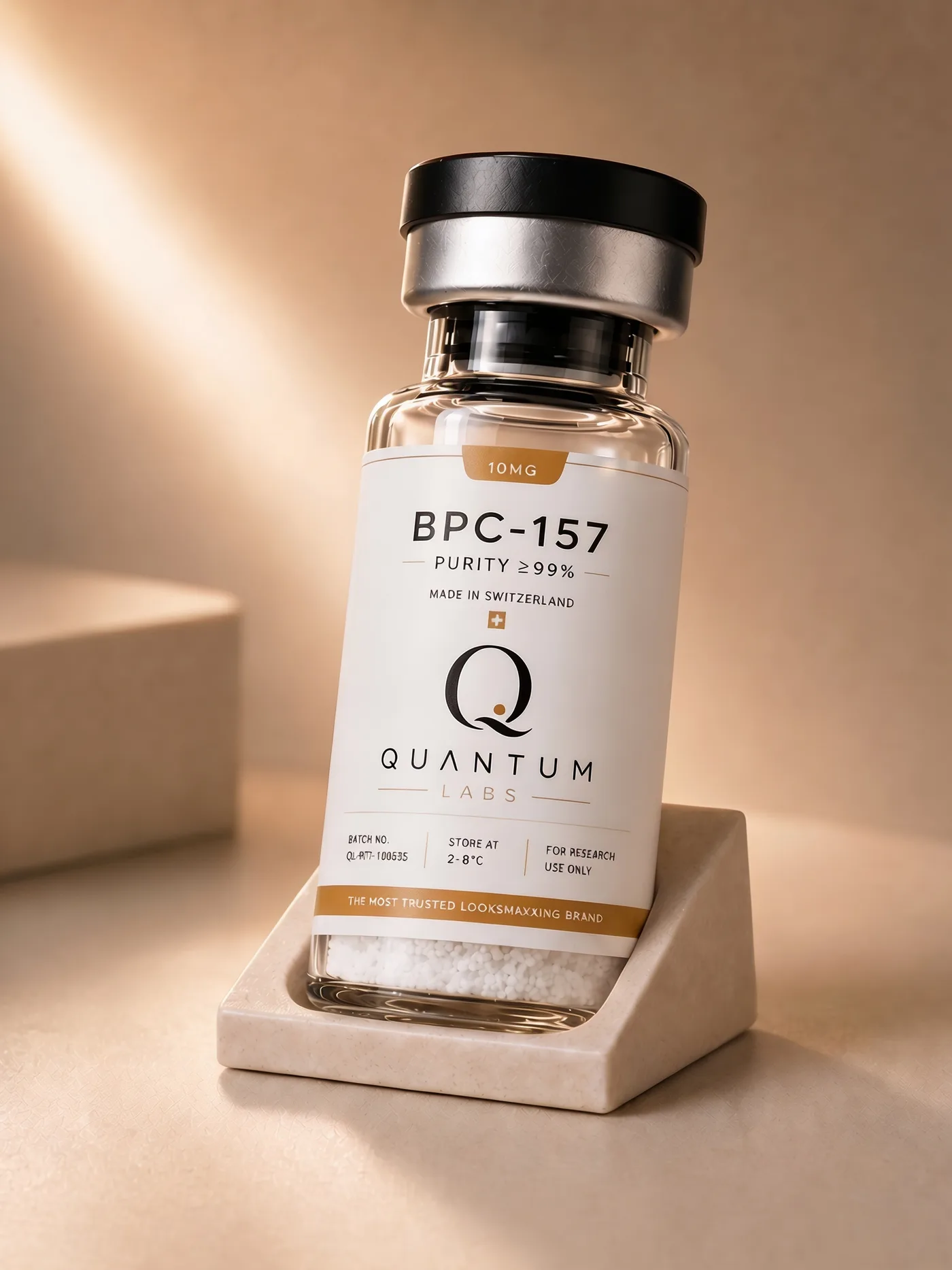 10바이알 팩82% 할인
BPC-157
동결건조 분말5 mg · 3 strengths
조직 복구 연구 펩타이드