

Hormonal Support Protocol
A research protocol studied for growth hormone secretagogue pathway activity and androgen axis markers in study populations.
What's in the stack
3 precision-matched compounds · 8 vials total for the 12-week cycle.
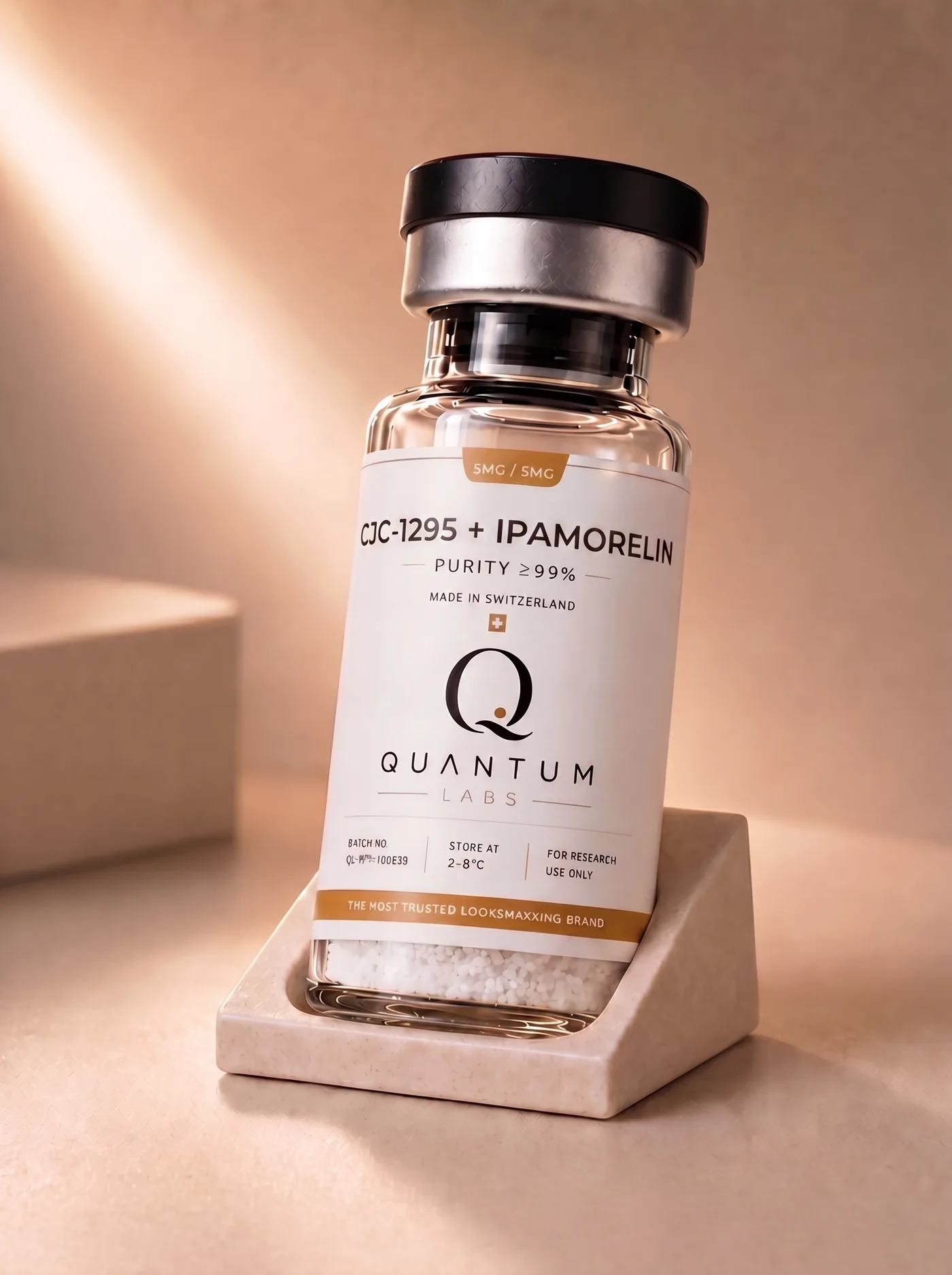 3× pack of 10 vials
3× CJC-1295 + Ipamorelin
5mg + 5mg / vial · Lyophilized powder
Classical GHRH + ghrelin mimetic stack
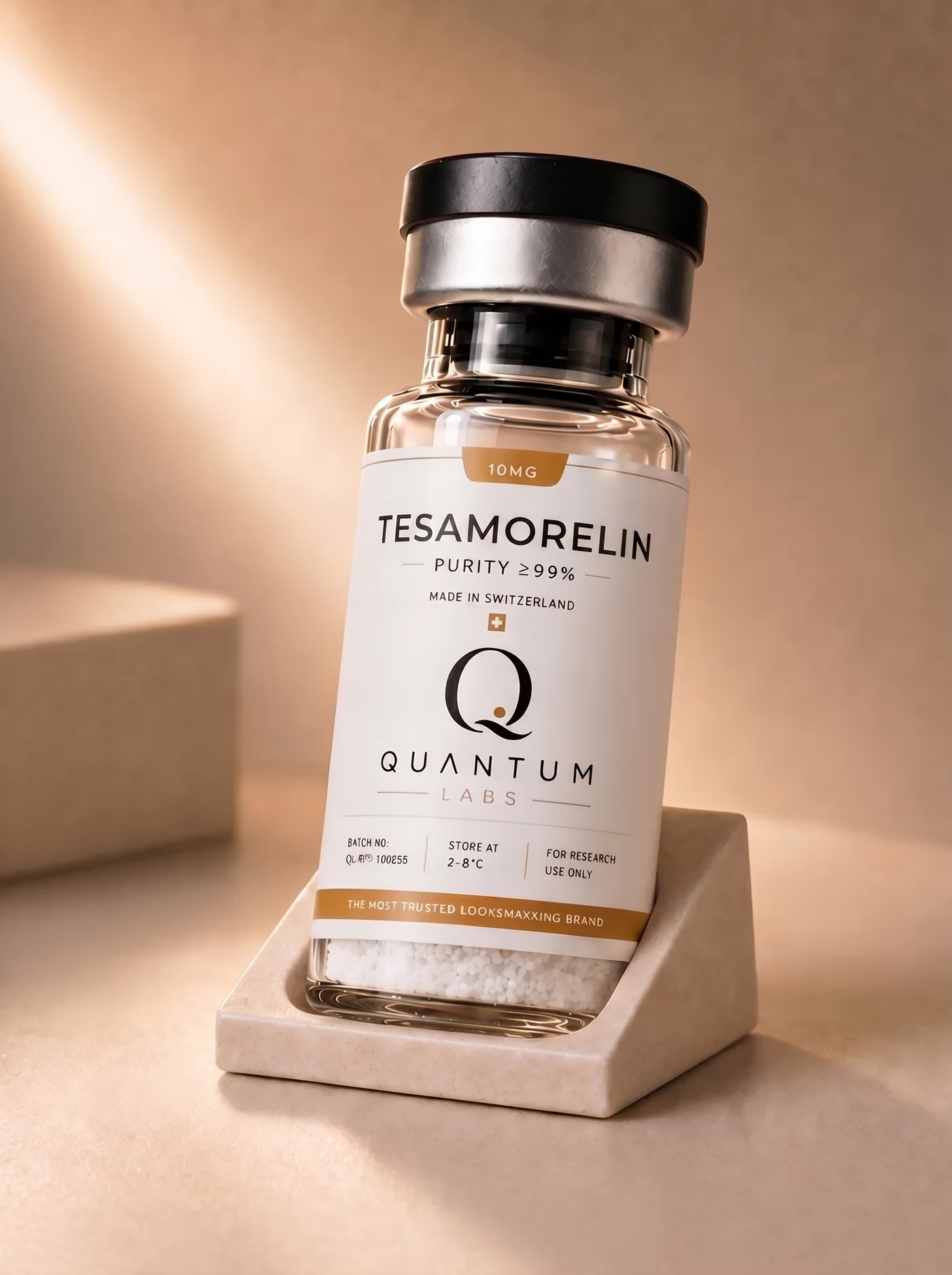 2× pack of 10 vials
2× Tesamorelin
10mg / vial · Lyophilized powder
Stabilized GHRH analog
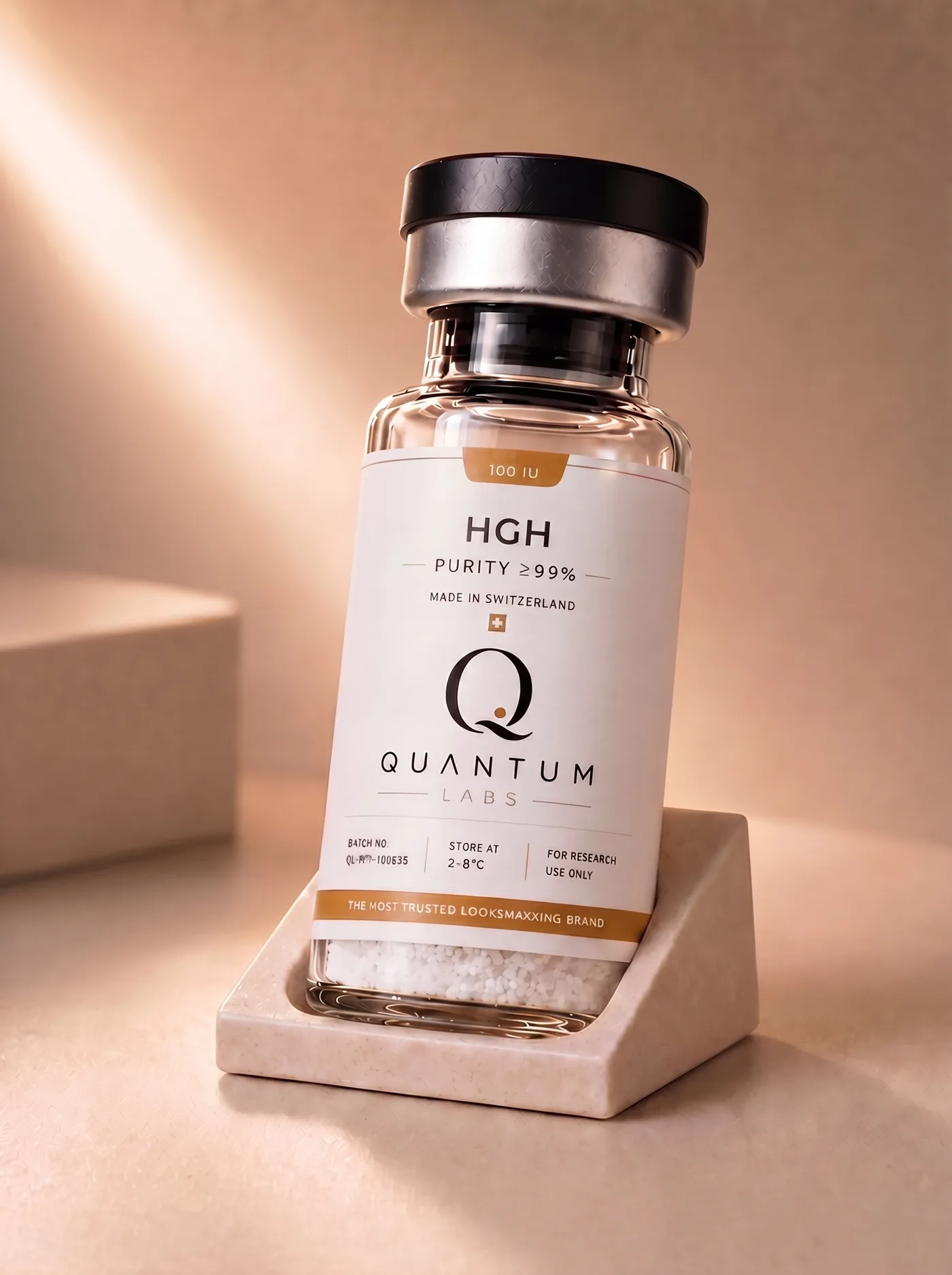
About the Hormonal Support Protocol
The Hormonal Support Protocol pairs three of the most-studied compounds in growth-hormone-axis research: the CJC-1295 + Ipamorelin combination (GHRH analogue + ghrelin agonist), Tesamorelin (a stabilised GHRH analogue with extended half-life), and HGH (direct systemic growth-hormone supply). The stack is designed for research applications investigating the ageing-axis question — the steady-state decline in pulsatile GH release that characterises somatopause — and the corresponding compensatory mechanisms.
The 12-week cycle structure reflects the longer adaptation windows that ageing-axis research literature typically uses. GH-IGF-1 axis dynamics involve adaptation on the order of weeks-to-months, and shorter cycles consistently underestimate steady-state effects in published models. Twelve weeks is the most common cycle length in research on GH-axis modulation in older study populations.
All compounds are HPLC-verified to ≥99% purity, batch-traceable, and ship from Australian stock. The kit is supplied for laboratory research use only and is not represented for human therapeutic use.
Why these compounds together
The CJC-1295 + Ipamorelin combination provides naturalistic pulsatile GH release. CJC-1295 (a GHRH analogue) binds the GHRH receptor on pituitary somatotrophs; Ipamorelin (a selective ghrelin agonist) binds the growth-hormone secretagogue receptor (GHSR-1a). The two compounds act on independent receptors and produce a synergistic GH-release response, preserving the pulsatile rhythm characteristic of healthy GH-axis physiology.
Tesamorelin extends the GHRH-receptor side of the equation with longer half-life. Where CJC-1295 produces relatively short-acting GHRH-receptor activity, Tesamorelin's structural modifications give it a more sustained GHRH-mimicking profile. The two together provide broader temporal coverage of the GHRH-receptor pathway in research protocols designed around steady-state effects.
HGH provides direct exogenous growth-hormone supply where research questions warrant it. Some ageing-axis research designs require known exogenous GH levels rather than indirect stimulation of endogenous release; HGH covers that case. The combination of HGH + secretagogues is studied in protocols that need both baseline exogenous coverage and preservation of natural pulsatile signalling.
Cycle structure
The 12-week cycle aligns with published ageing-axis research cycle lengths. Phase 1 (weeks 1-3) establishes baseline measurements and dose titration; phase 2 (weeks 4-9) covers the peak intervention window; phase 3 (weeks 10-12) covers taper and post-intervention measurement of GH-IGF-1 axis biomarkers.
Researchers should reference primary literature for protocol-specific dosing — the kit is supplied as research materials, not as a fixed clinical regimen.
Why these compounds together
The CJC-1295 + Ipamorelin pairing covers naturalistic GH pulses, Tesamorelin extends GHRH-receptor activity with longer half-life, and HGH provides direct exogenous coverage where research questions warrant it.
Researchers 36+ focused on aging-axis and recovery outcomes.
Research cycle structure
Hormonal Support Protocol — frequently asked questions
What peptides are used in growth-hormone axis research?
The most-studied compounds in GH-axis research are GHRH analogues (CJC-1295, Tesamorelin, Sermorelin), ghrelin-receptor agonists (Ipamorelin), and direct exogenous HGH supply. Combined-administration research is common because GHRH analogues and ghrelin agonists target independent receptors and produce synergistic GH release. The Quantum Labs Hormonal Support Protocol pairs all three categories.
What is the difference between CJC-1295 and Tesamorelin?
Both are GHRH-receptor analogues. CJC-1295 is most commonly supplied without DAC (Drug Affinity Complex), giving it a relatively short-acting profile suited to amplifying acute GH pulses. Tesamorelin's modifications give it a more sustained GHRH-mimicking profile and is the only GHRH analogue with regulatory approval in any jurisdiction (the US, for HIV-associated lipodystrophy). Both are studied in parallel research literature.
Why combine HGH with secretagogues?
HGH provides direct exogenous baseline coverage; secretagogues preserve the natural pulsatile rhythm of endogenous GH release. Pairing them allows research designs to study GH-axis effects under both exogenous and endogenous signalling regimes simultaneously, which is useful for ageing-axis research where pulsatile signalling itself is part of the research question.
Is the Hormonal Support Protocol legal in Australia?
HGH is a prescription-only medicine (S4) in Australia. CJC-1295, Ipamorelin, and Tesamorelin are restricted for compounded human therapeutic supply and remain available for research and laboratory use when supplied without therapeutic representation. The Hormonal Support Protocol is supplied for research use only. Quantum Labs supplies this stack for laboratory and pre-clinical research use only. It is not represented for human therapeutic use, and questions about clinical dosing or expected personal outcomes should be directed to a qualified medical practitioner.
What does the Hormonal Support Protocol kit contain?
3× CJC-1295 + Ipamorelin vials, 2× Tesamorelin vials, 3× HGH vials — sized for the 12-week research cycle. All compounds lyophilised, sealed, HPLC-verified ≥99% purity, batch-traceable. Ships from Australian stock as a single kit.
Is PCT needed for the Hormonal Support Protocol?
The GH-IGF-1 axis is distinct from the HPG axis, so the traditional PCT framework (gonadotrophin-axis restoration) doesn't directly apply. Researchers studying GH-axis modulation should monitor IGF-1 levels and pituitary-axis biomarkers for their specific study question, but structured PCT is not part of this protocol's design.
Who is this protocol designed for in research?
The Hormonal Support Protocol is designed for research applications focused on ageing-axis and somatopause questions — typically research populations 35+ where natural pulsatile GH release has begun its age-related decline. The longer 12-week cycle accommodates the adaptation windows characteristic of ageing-axis research.
Research Use Only. This compound is sold strictly for in-vitro research and laboratory purposes and is not intended for human consumption or therapeutic use. By purchasing you confirm you are a qualified researcher and agree to our full disclaimer.
Ready to start this protocol?
All 8 vials sized for the 12-week cycle, plus the protocol guide PDF. Shipped worldwide.
Not sure? Take the 60-second quiz