

Fat Loss Protocol
A research stack studied for fat oxidation pathway activation and preservation of lean mass markers in study subjects.
What's in the stack
3 precision-matched compounds · 6 vials total for the 8-week cycle.
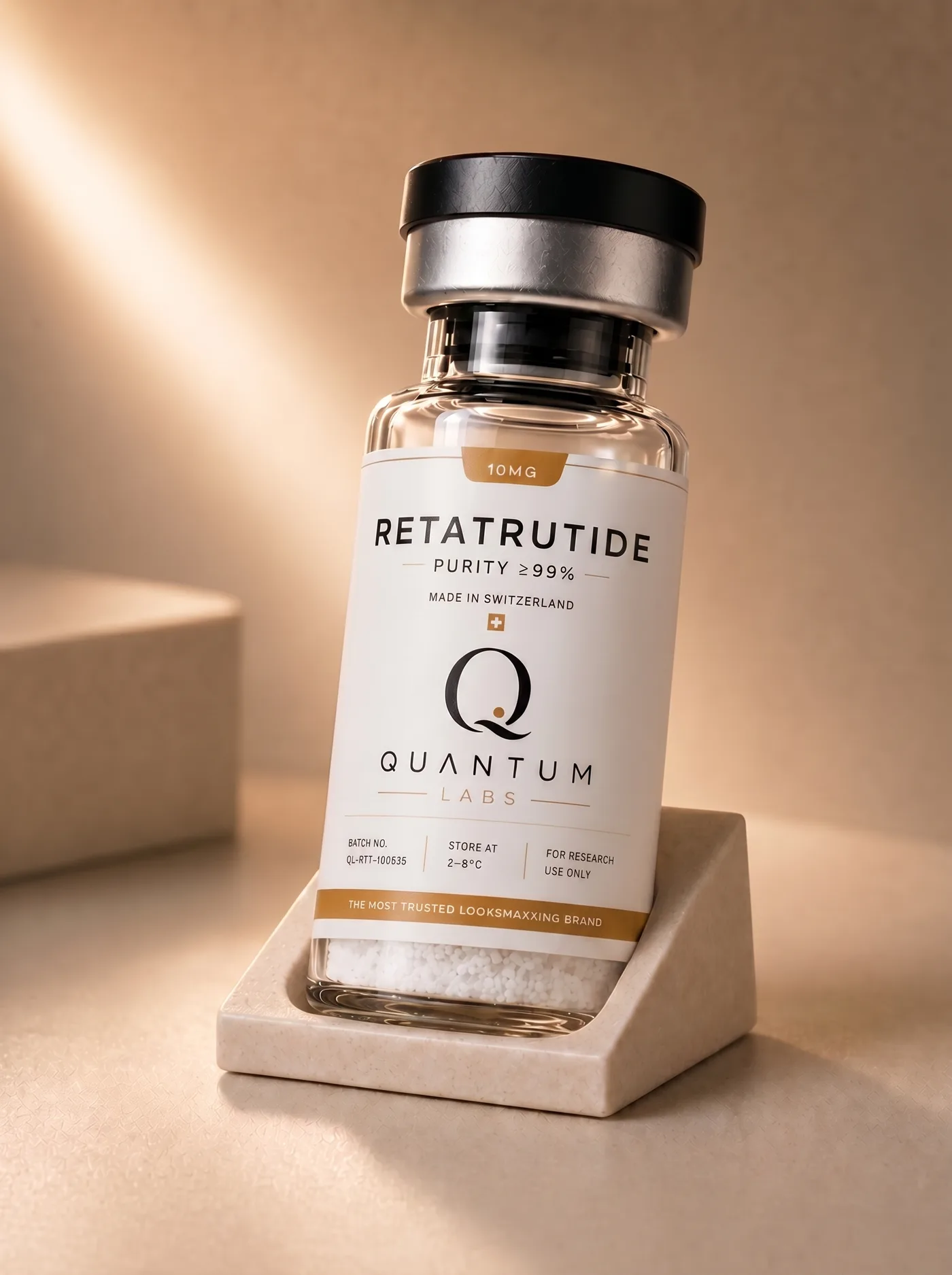 2× pack of 10 vials
2× Retatrutide
10mg / vial · Lyophilized powder
Tri-agonist GLP-1 / GIP / glucagon research peptide
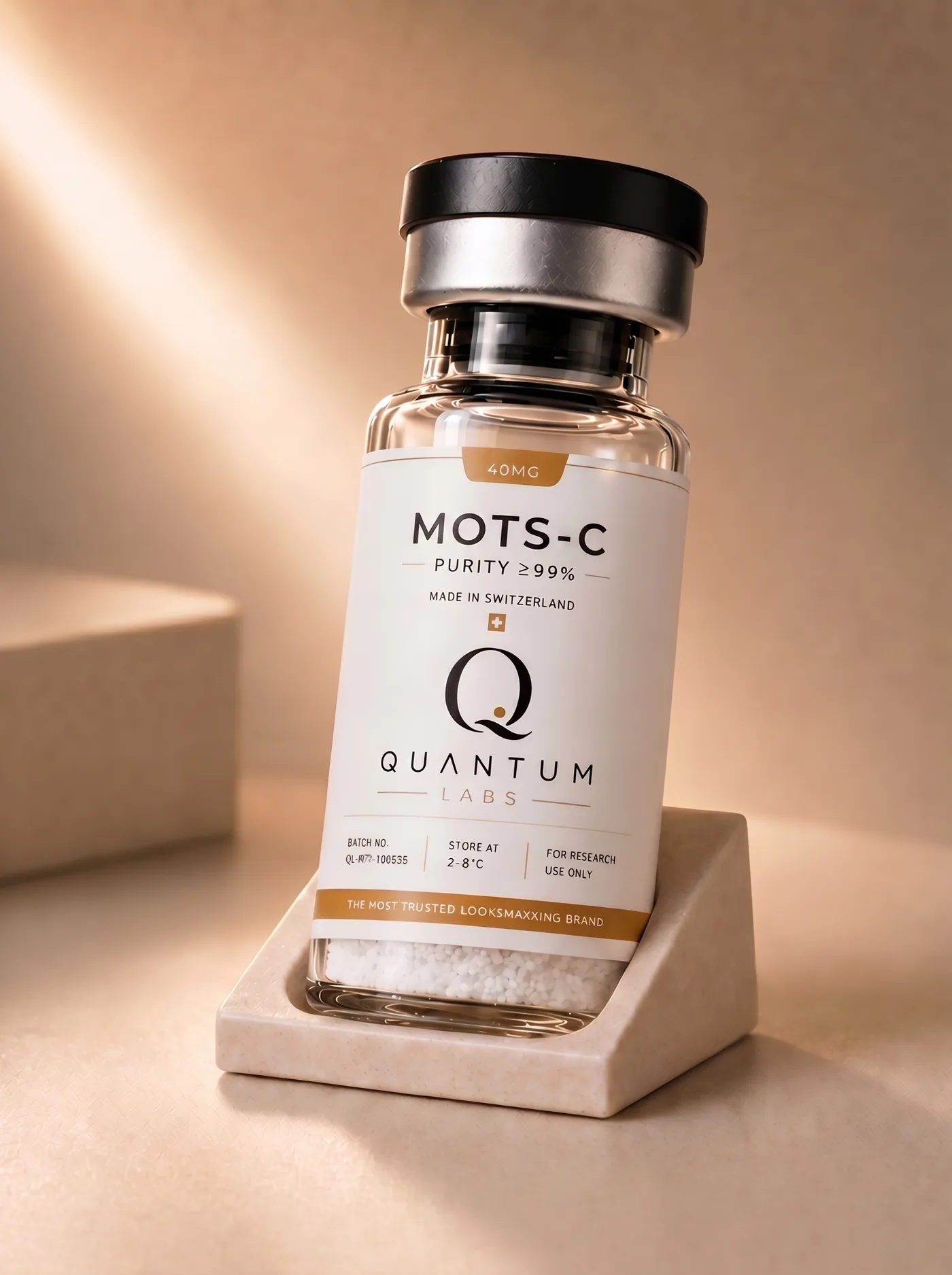
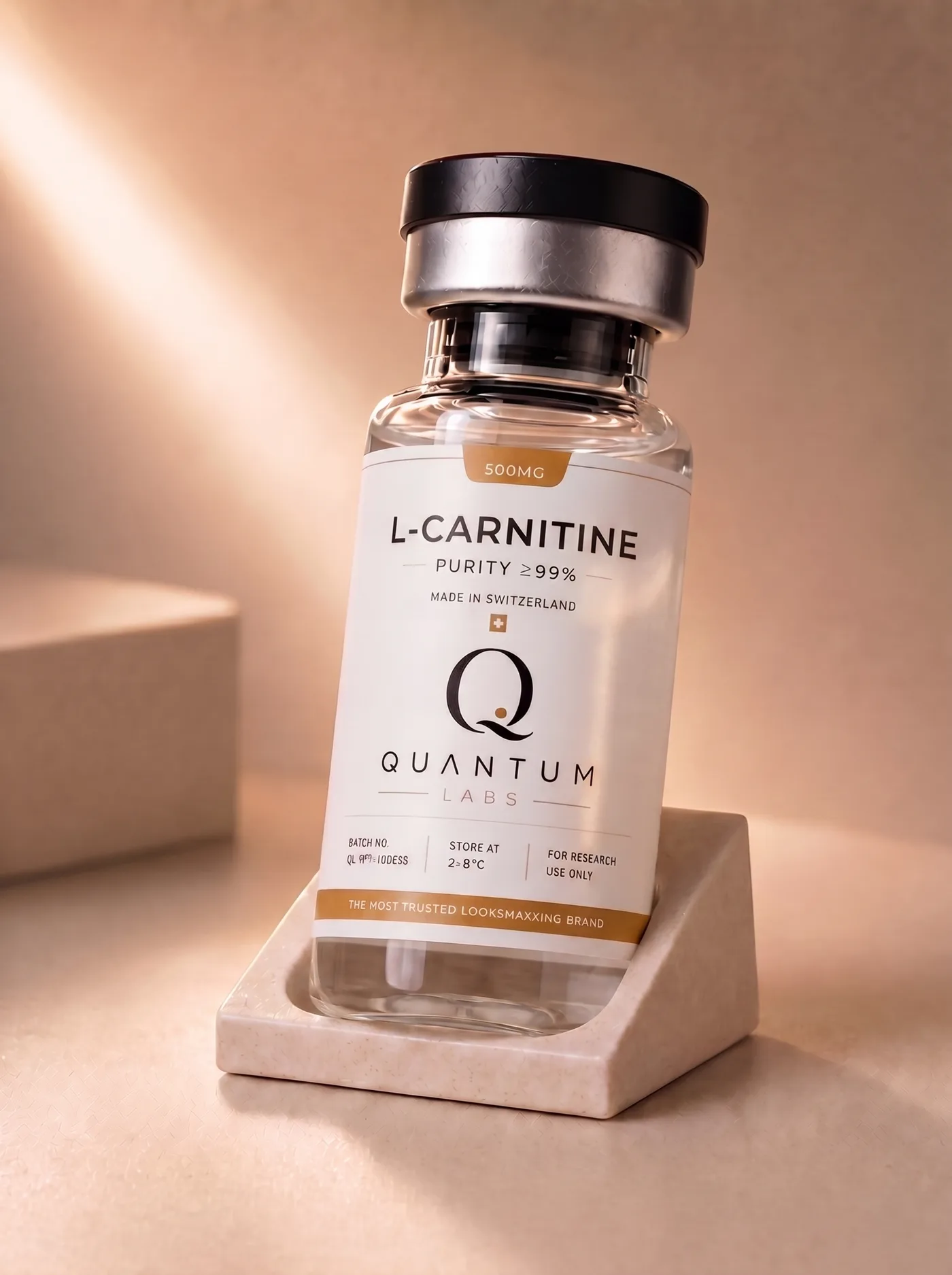 2× pack of 10 vials
2× L-Carnitine
10ml × 600mg/ml · Sterile solution
Mitochondrial fatty-acid transporter
About the Fat Loss Protocol
The Fat Loss Protocol pairs three compounds studied across distinct metabolic pathways: a tri-agonist incretin-receptor peptide (Retatrutide), a mitochondrially-derived metabolic peptide (MOTS-c), and a foundational fatty-acid transporter (L-Carnitine). The combination is designed for research applications investigating multi-pathway metabolic regulation rather than single-target intervention.
Each compound in the kit is HPLC-verified to ≥99% purity and shipped from Australian stock. The 8-week structure mirrors common research-cycle lengths used in published incretin-pathway and mitochondrial-function literature, with sufficient vial supply to support standard protocol designs without re-ordering mid-study.
Australian researchers studying peptides for fat oxidation, body composition, or metabolic flexibility have historically had to source these compounds from three separate suppliers. The protocol consolidates the supply chain into a single Australian-shipped kit, with batch-level certificates of analysis available for all three components.
Why these three compounds together
Retatrutide is studied as a tri-agonist of the GLP-1, GIP, and glucagon receptors — the same receptor family targeted by approved incretin-pathway medicines, but with the additional glucagon-receptor activity that distinguishes it pharmacologically. Research interest in Retatrutide has been driven by its multi-receptor profile, which is hypothesised to produce metabolic effects beyond single-receptor or dual-receptor compounds.
MOTS-c is one of the few characterised mitochondrially-encoded peptides — it is encoded within the mitochondrial 12S ribosomal RNA gene rather than the nucleus. Research on MOTS-c covers AMPK pathway activation, glucose homeostasis, and fatty-acid oxidation models. It is studied as a putative regulator of mitochondrial metabolic flexibility.
L-Carnitine is the cellular cofactor that transports long-chain fatty acids across the inner mitochondrial membrane for β-oxidation. Without sufficient carnitine, fatty acids cannot enter the mitochondrial matrix where β-oxidation occurs. Carnitine research has covered models of mitochondrial fatty-acid metabolism, exercise physiology, and metabolic flexibility — making it a foundational support compound for any research protocol investigating fat-oxidation pathways.
Cycle structure
The 8-week research-cycle window aligns with common protocol designs in incretin-pathway and mitochondrial-metabolism literature. Researchers typically use a three-phase structure: weeks 1-2 establish baseline measurements and titrate doses, weeks 3-6 cover the peak intervention window, and weeks 7-8 cover a taper and post-intervention measurement period.
Vial quantities in the kit are sized for the 8-week cycle at standard research-protocol dose ranges. Researchers should consult primary literature for protocol-specific dosing — the kit is supplied as research materials, not as a fixed clinical regimen.
Why these compounds together
Retatrutide drives multi-receptor metabolic signalling, MOTS-c supports mitochondrial fat oxidation, and L-Carnitine assists fatty-acid transport into mitochondria. Research suggests this combination is associated with improved body composition markers.
Researchers focused on body composition outcomes.
Research cycle structure
Fat Loss Protocol — frequently asked questions
What is the Fat Loss Protocol?
The Fat Loss Protocol is an 8-week research-peptide kit containing Retatrutide (a GLP-1 / GIP / glucagon tri-agonist), MOTS-c (a mitochondrially-derived metabolic peptide), and L-Carnitine. All three compounds are studied in models of metabolic regulation, fatty-acid oxidation, and body composition. The kit is supplied for laboratory research use only.
What peptides are used for fat loss research?
The most extensively studied research peptides in fat oxidation and metabolic pathway literature include the incretin-receptor family (Retatrutide, tirzepatide, semaglutide), mitochondrial peptides (MOTS-c), and HGH fragments (AOD 9604). Foundational cofactors like L-Carnitine support the fatty-acid oxidation pathway. Quantum Labs' Fat Loss Protocol pairs three of these in a single research-grade kit.
Is the Fat Loss Protocol legal in Australia?
Retatrutide is not an approved therapeutic in Australia; MOTS-c is restricted for compounded human therapeutic supply; L-Carnitine is available for research and supplementary use. All three compounds in the kit are supplied without therapeutic representation, for laboratory research use only. Quantum Labs supplies this stack for laboratory and pre-clinical research use only. It is not represented for human therapeutic use, and questions about clinical dosing or expected personal outcomes should be directed to a qualified medical practitioner.
How does the Fat Loss Protocol compare with Mounjaro or Wegovy?
Mounjaro (tirzepatide) and Wegovy (semaglutide) are approved prescription medicines dispensed through pharmacies on valid prescription. Retatrutide is a separate research peptide with additional glucagon-receptor activity — it is not an approved therapeutic and is not a substitute for prescription medicine. The Fat Loss Protocol is a research kit, not a treatment.
What does the Fat Loss Protocol kit contain?
The kit contains 2× Retatrutide vials, 2× MOTS-c vials, and 2× L-Carnitine vials — sized for the 8-week research cycle. All compounds are lyophilised, sealed, HPLC-verified ≥99% purity, and ship together from Australian stock with batch identifiers.
Is PCT needed for the Fat Loss Protocol?
Post-cycle therapy is generally associated with research protocols that involve hypothalamic-pituitary-axis suppression. The Fat Loss Protocol targets metabolic pathways (incretin-receptor, AMPK, fatty-acid oxidation) rather than the HPG axis, so structured PCT is not part of the standard protocol design.
Research Use Only. This compound is sold strictly for in-vitro research and laboratory purposes and is not intended for human consumption or therapeutic use. By purchasing you confirm you are a qualified researcher and agree to our full disclaimer.
Ready to start this protocol?
All 6 vials sized for the 8-week cycle, plus the protocol guide PDF. Shipped worldwide.
Not sure? Take the 60-second quiz