

恢复与修复组合
与组织修复、关节完整性及研究人群重返训练相关指标相关的化合物。
What's in the stack
3 precision-matched compounds · 5 vials total for the 8-week cycle.
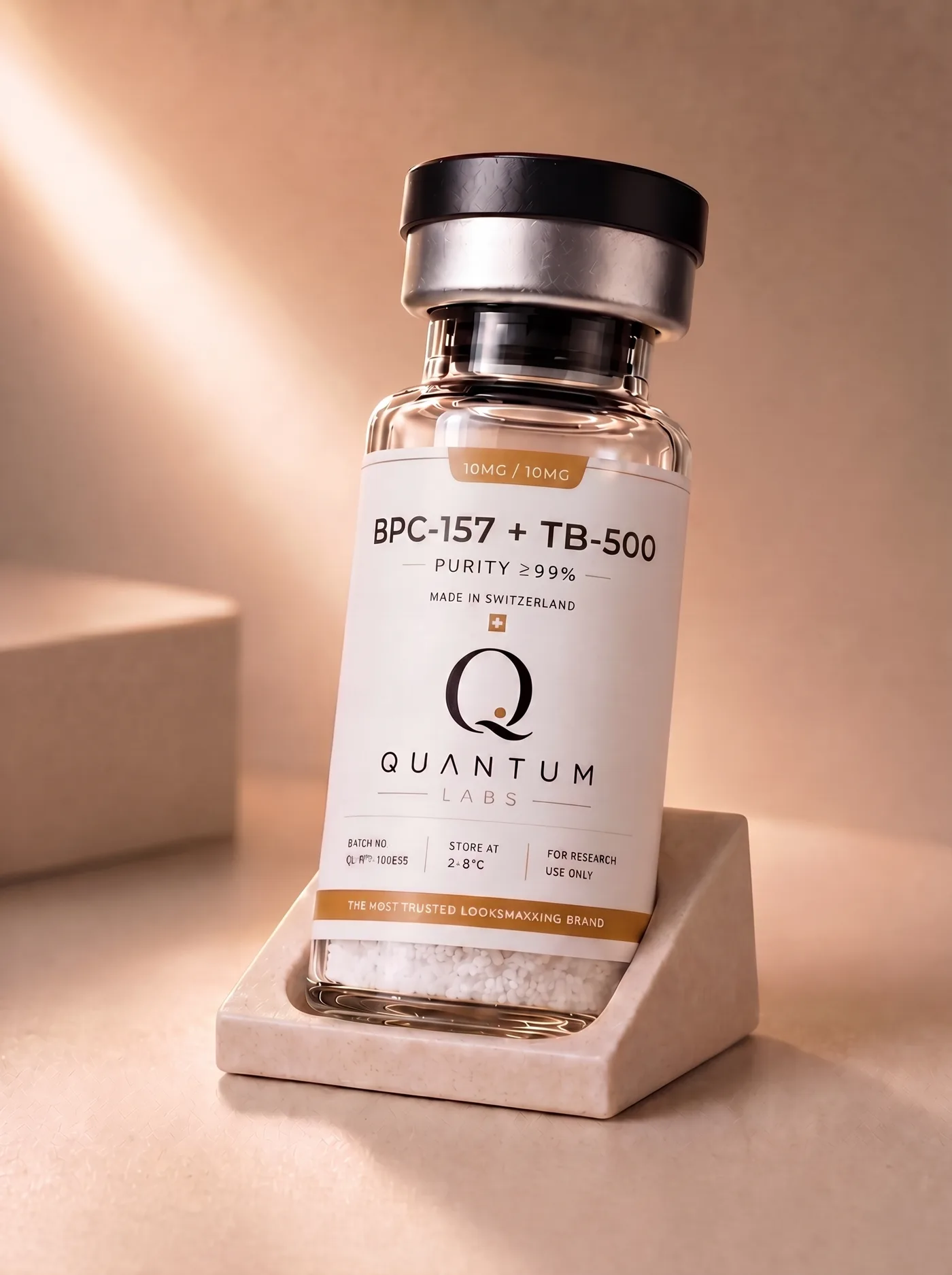
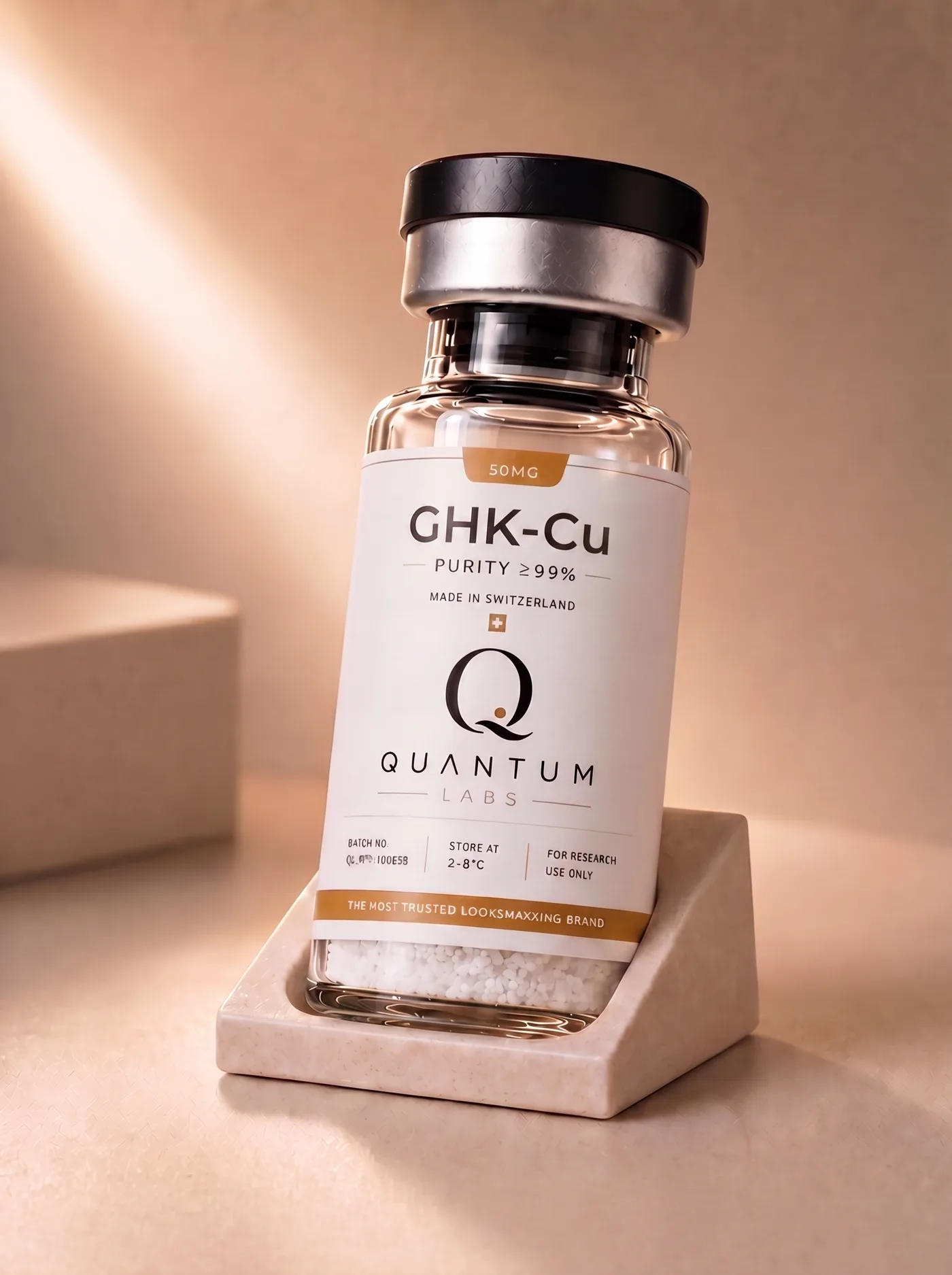
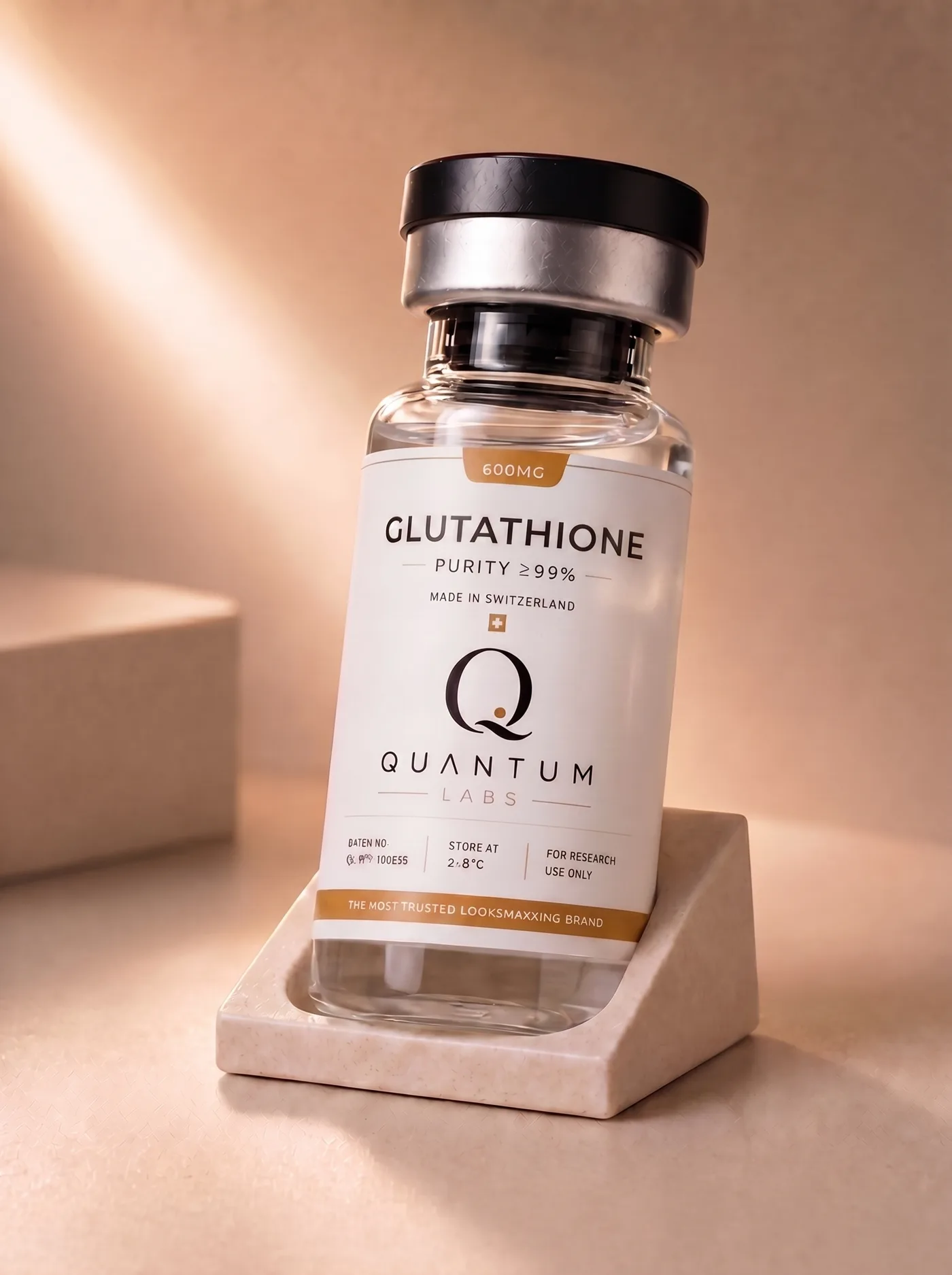
About the 恢复与修复组合
The Recovery & Repair Stack is built around the two most extensively studied tissue-repair research peptides in pre-clinical literature: BPC-157 and TB-500. The kit pairs the combined BPC-157 + TB-500 vial with GHK-Cu (a copper-peptide complex studied in dermal and connective-tissue remodelling research) and Glutathione (a foundational intracellular antioxidant) to cover complementary pathways across the tissue-repair literature.
Australian researchers investigating peptides for injury recovery have historically had to source these compounds from multiple suppliers and re-bottle the BPC-157 + TB-500 combination manually. The kit consolidates the supply into a single Australian-shipped 8-week-cycle protocol, with each compound HPLC-verified to ≥99% purity and batch-level certificates of analysis available on request.
The stack is designed for research applications studying tendon and ligament repair models, soft-tissue regeneration, and broader recovery-pathway questions. Compounds are supplied for laboratory research use only and are not represented for human therapeutic use.
Why these compounds together
BPC-157 and TB-500 act on complementary tissue-repair pathways. BPC-157 (a 15-amino-acid synthetic derived from a gastric protective protein) is studied predominantly in nitric oxide and VEGF pathway research, with published work on tendon, ligament, gastrointestinal, and vascular healing models. TB-500 (a fragment of the natural protein thymosin β-4) is studied for actin-binding and cell-migration mechanisms — the two compounds are routinely paired in pre-clinical tissue-repair research because they cover non-overlapping aspects of the repair cascade.
GHK-Cu is a tripeptide-copper complex studied in dermal collagen synthesis, wound-healing models, and connective-tissue remodelling research. It complements BPC-157 + TB-500 by covering the dermal and superficial-tissue repair pathways that the deeper compounds touch less directly. The pre-formed copper-bound complex (rather than the GHK tripeptide alone) is the form characterised in most published studies.
Glutathione provides foundational antioxidant cover for the research cycle. High-load training models and tissue-repair research often involve elevated oxidative stress; glutathione is the most abundant endogenous intracellular antioxidant and is studied as a research-grade support compound for the cellular redox environment during recovery protocols.
Cycle structure
The 8-week recovery-cycle window aligns with common protocol designs in tendon-repair and connective-tissue research literature. Acute tissue-repair models often use shorter 4-6 week windows; chronic-load or rehabilitation models typically use 8-12 weeks. The standard kit supplies vial quantities sized for the 8-week structure, with researchers extending the cycle by re-ordering individual compounds where their protocol warrants.
Reconstituted peptides should be stored at 2-8°C and used within 30 days. Bacteriostatic water for reconstitution is available as a separate research supply.
Why these compounds together
BPC-157 + TB-500 组合瓶覆盖互补的组织修复通路(血管生成 + 肌动蛋白重塑),集于同一产品。GHK-Cu 支持胶原合成相关指标,谷胱甘肽在高训练负荷期间提供抗氧化保护。
关注慢性负荷或软组织问题的运动员与研究者。
Research cycle structure
恢复与修复组合 — frequently asked questions
What peptides are best for recovery research?
The most extensively studied research peptides in tissue-repair literature are BPC-157 (a synthetic gastric-derived 15-amino-acid peptide), TB-500 (a fragment of the natural protein thymosin β-4), and GHK-Cu (a copper-peptide complex). Glutathione is widely used as a supporting antioxidant compound in recovery-protocol research. The Quantum Labs Recovery & Repair Stack pairs all four.
Why are BPC-157 and TB-500 used together?
The two compounds target complementary tissue-repair pathways. BPC-157 acts predominantly through nitric oxide and VEGF signalling; TB-500 acts through actin sequestration and cell migration. Combined-administration research is common in pre-clinical tendon, ligament, and vascular-repair models because the two compounds cover non-overlapping aspects of the repair cascade.
Is the Recovery Stack legal in Australia?
BPC-157, TB-500, and GHK-Cu are all restricted for compounded human therapeutic supply in Australia, but remain available for research and laboratory use when supplied without therapeutic representation. Glutathione is available for research and supplementary use. Quantum Labs supplies the stack for research use only. Quantum Labs supplies this stack for laboratory and pre-clinical research use only. It is not represented for human therapeutic use, and questions about clinical dosing or expected personal outcomes should be directed to a qualified medical practitioner.
What does the Recovery & Repair Stack kit contain?
2× BPC-157 + TB-500 combination vials, 1× GHK-Cu vial, 2× Glutathione vials — sized for the 8-week research cycle. All compounds lyophilised, sealed, HPLC-verified ≥99% purity, batch-traceable. Ships from Australian stock as a single kit.
How long is a typical peptide recovery cycle in research?
Cycle length in tissue-repair research varies substantially with the model. Acute soft-tissue injury models often use 4-6 weeks; chronic-load or rehabilitation models typically use 8-12 weeks. The Recovery & Repair Stack is sized for the 8-week window, which is the most common middle-ground used in published research protocols.
Is PCT needed for the Recovery Stack?
Post-cycle therapy is generally associated with protocols affecting the HPG axis (androgen-receptor agonists, SARMs, AAS). The Recovery & Repair Stack targets tissue-repair and antioxidant pathways — none of the compounds in the kit suppress the HPG axis — so structured PCT is not part of the protocol design.
仅供研究使用。 本化合物严格用于体外研究及实验室用途,不得用于人体食用或治疗用途。购买即确认您为合格研究者,并同意我们的 完整免责声明。
Ready to start this protocol?
All 5 vials sized for the 8-week cycle, plus the protocol guide PDF. Shipped worldwide.
Not sure? Take the 60-second quiz