 Pack of 10 vials7 in stockSave 25%
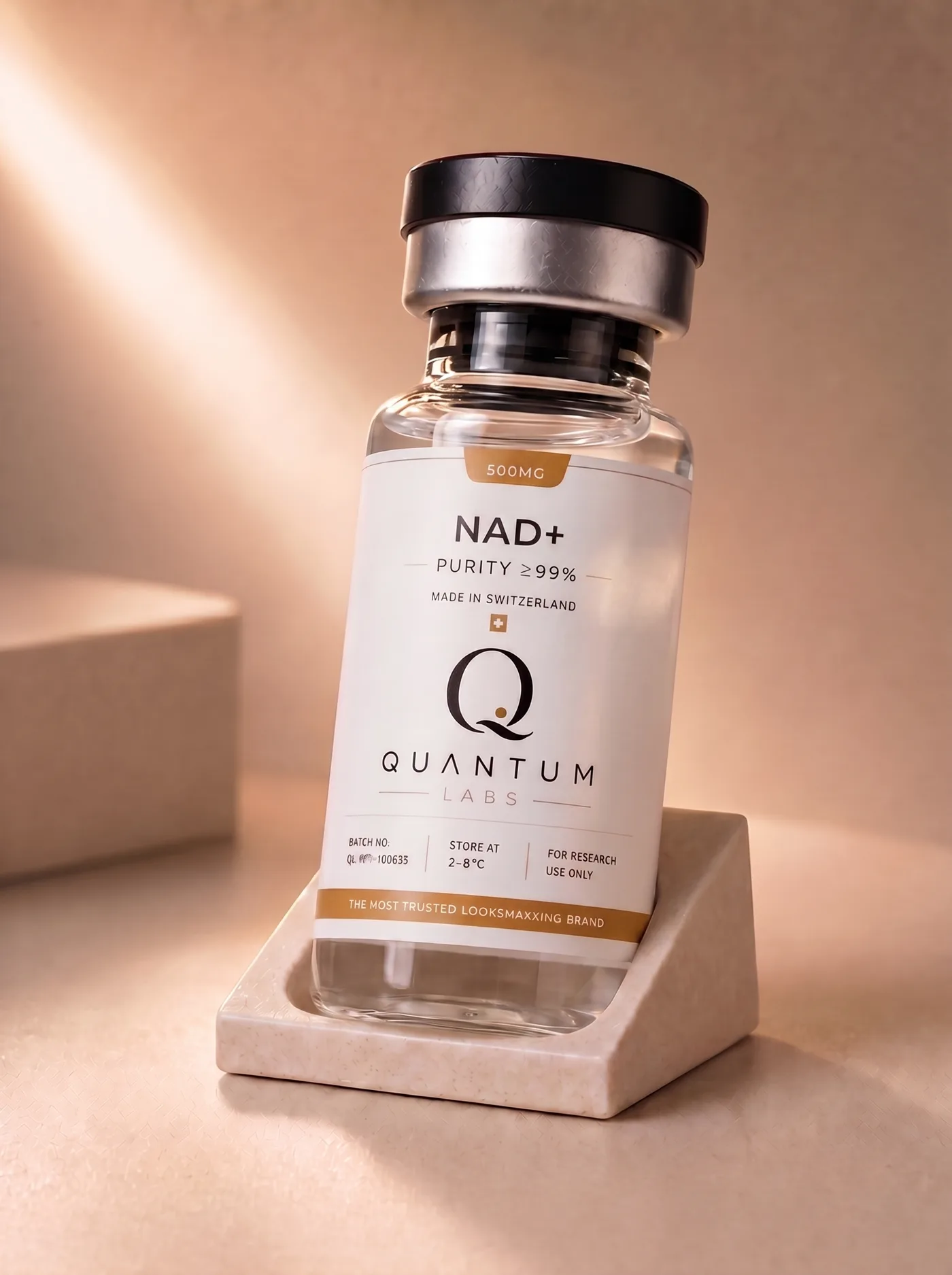
NAD+ 100 mg
Cellular redox cofactor
NAD+ cellular redox research compound, Australian-shipped. Lab-verified purity standards.
Research Use Only. This compound is sold strictly for in-vitro research and laboratory purposes and is not intended for human consumption or therapeutic use. By purchasing you confirm you are a qualified researcher and agree to our full disclaimer.
Only 7 packs left
Nicotinamide adenine dinucleotide studied for its role in mitochondrial redox biology, sirtuin activation, and DNA repair pathways across multiple research applications.
NAD+ (Nicotinamide Adenine Dinucleotide, oxidised form) is a foundational cellular cofactor involved in electron transport, redox reactions, and substrate for sirtuin and PARP enzyme families. It is studied across mitochondrial-function research, aging biology, and cellular-energetics models. Quantum Labs supplies NAD+ as a lyophilised powder for Australian research applications.
Research on supplemental NAD+ has expanded substantially as the molecule's role in aging biology has been characterised. NAD+ tissue levels decline with age in pre-clinical models, and restoring NAD+ pools is a major research focus. Material is HPLC-verified and ships from Australian stock; supplied for laboratory research use only.
Mechanism
Acts as the central electron shuttle between cellular redox reactions and as a substrate for sirtuins and PARPs in research models.
HPLC verified against a ≥99% purity specification. Independently tested by accredited third-party laboratories.
NAD+ — frequently asked questions
What is NAD+?
NAD+ is a foundational cellular cofactor involved in electron transport, redox reactions, and serves as a substrate for sirtuin and PARP enzyme families. It is studied across mitochondrial-function and aging-biology research.
Is NAD+ legal in Australia?
NAD+ is available for research and laboratory use in Australia. Quantum Labs supplies it for research use only.
Why do NAD+ levels decline with age?
Multiple mechanisms have been characterised in pre-clinical research: increased NAD+ consumption by PARP enzymes responding to DNA damage, increased CD38 activity, and reduced synthesis capacity. The age-related decline in NAD+ tissue levels is a major focus of aging-biology research.
What's the difference between NAD+ and NMN?
NMN (nicotinamide mononucleotide) is a precursor to NAD+. NAD+ is the active cellular cofactor. In research, both are studied as approaches to restoring tissue NAD+ pools; NMN-supplementation research is generally separate from direct NAD+ research.
Guides related to NAD+
Researchers also explore
 Pack of 10 vialsSave 23%
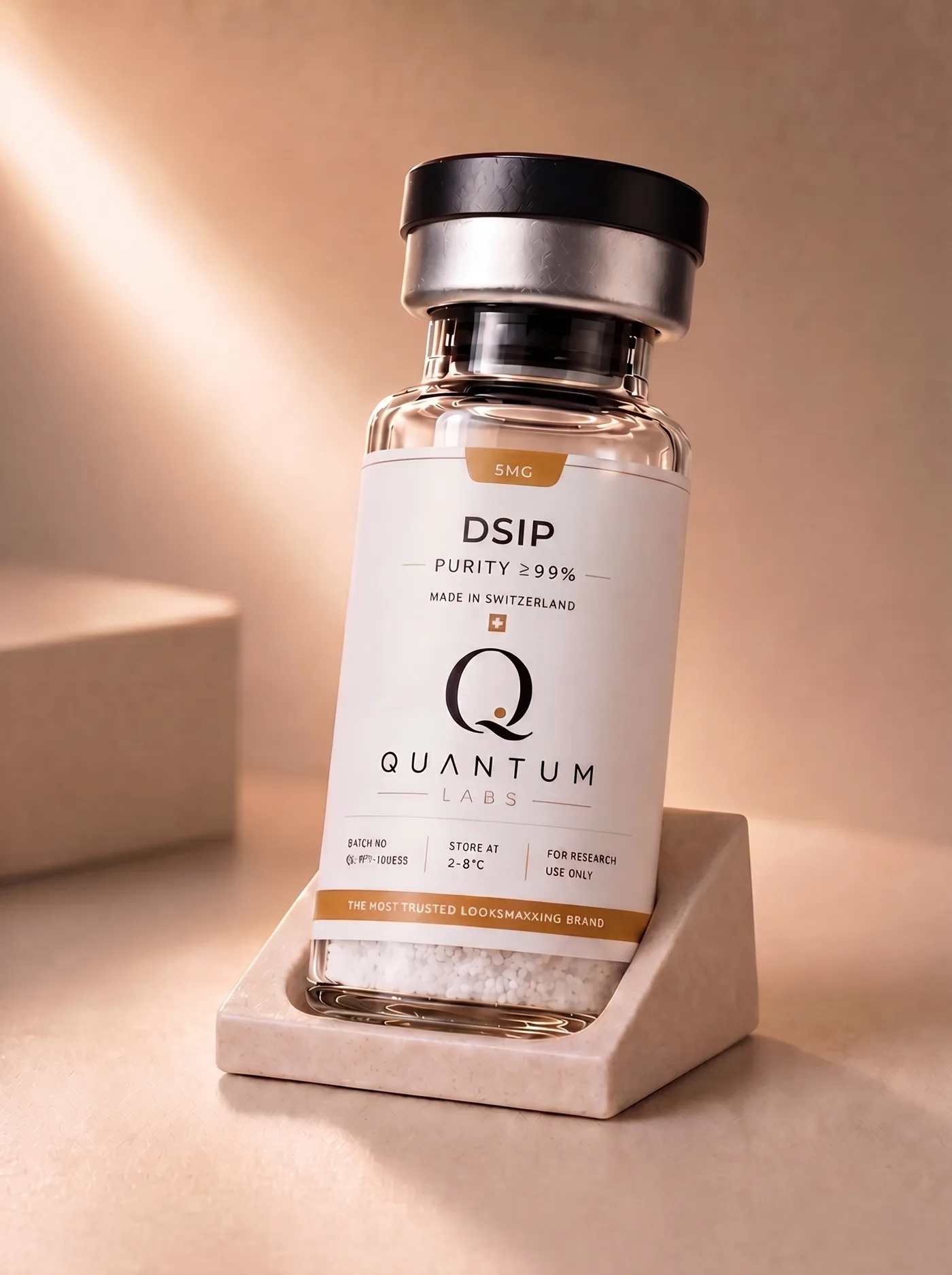
DSIP
Lyophilised powder5 mg · 2 strengths
Delta sleep-inducing peptide
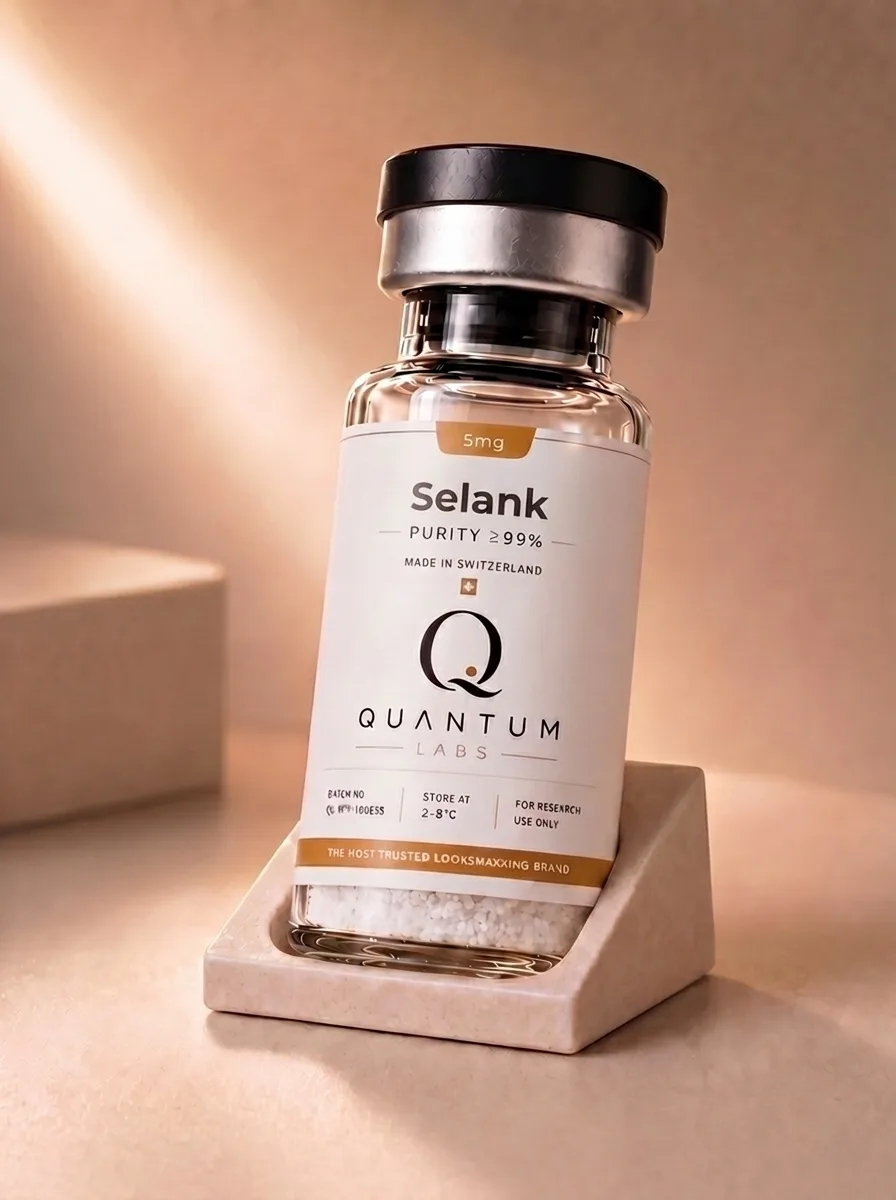 Pack of 10 vialsSave 15%
Selank
Nasal spray11 mg · 3 strengths
Anxiolytic research peptide
In 1 stack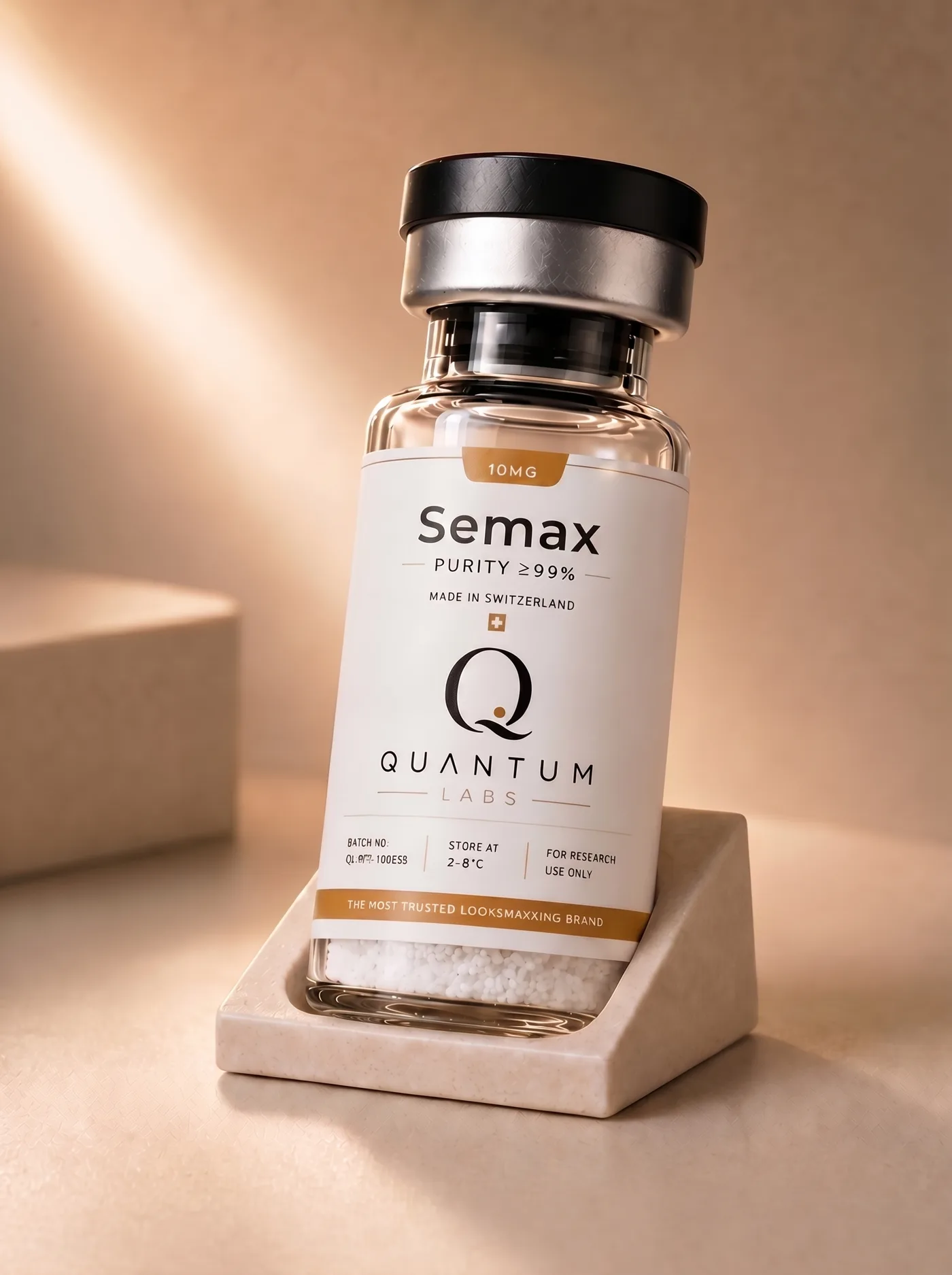 Pack of 10 vialsSave 20%
Semax
Nasal spray30 mg · 3 strengths
Nootropic research heptapeptide
In 1 stack