

Performance & Endurance Stack
A research stack investigated for improvements in output markers, VO2 utilization, and muscular endurance in study subjects.
What's in the stack
3 precision-matched compounds · 7 vials total for the 10-week cycle.
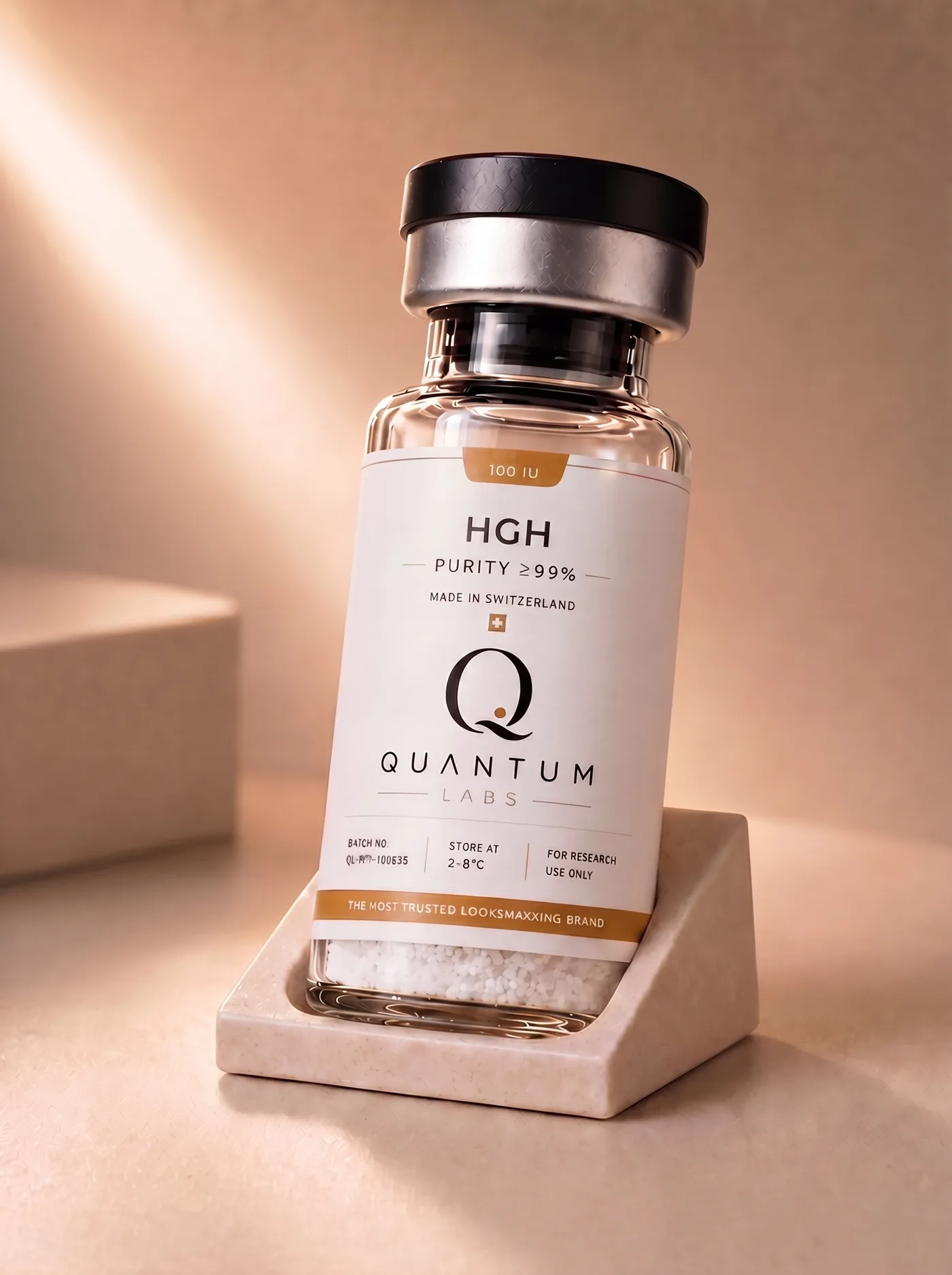
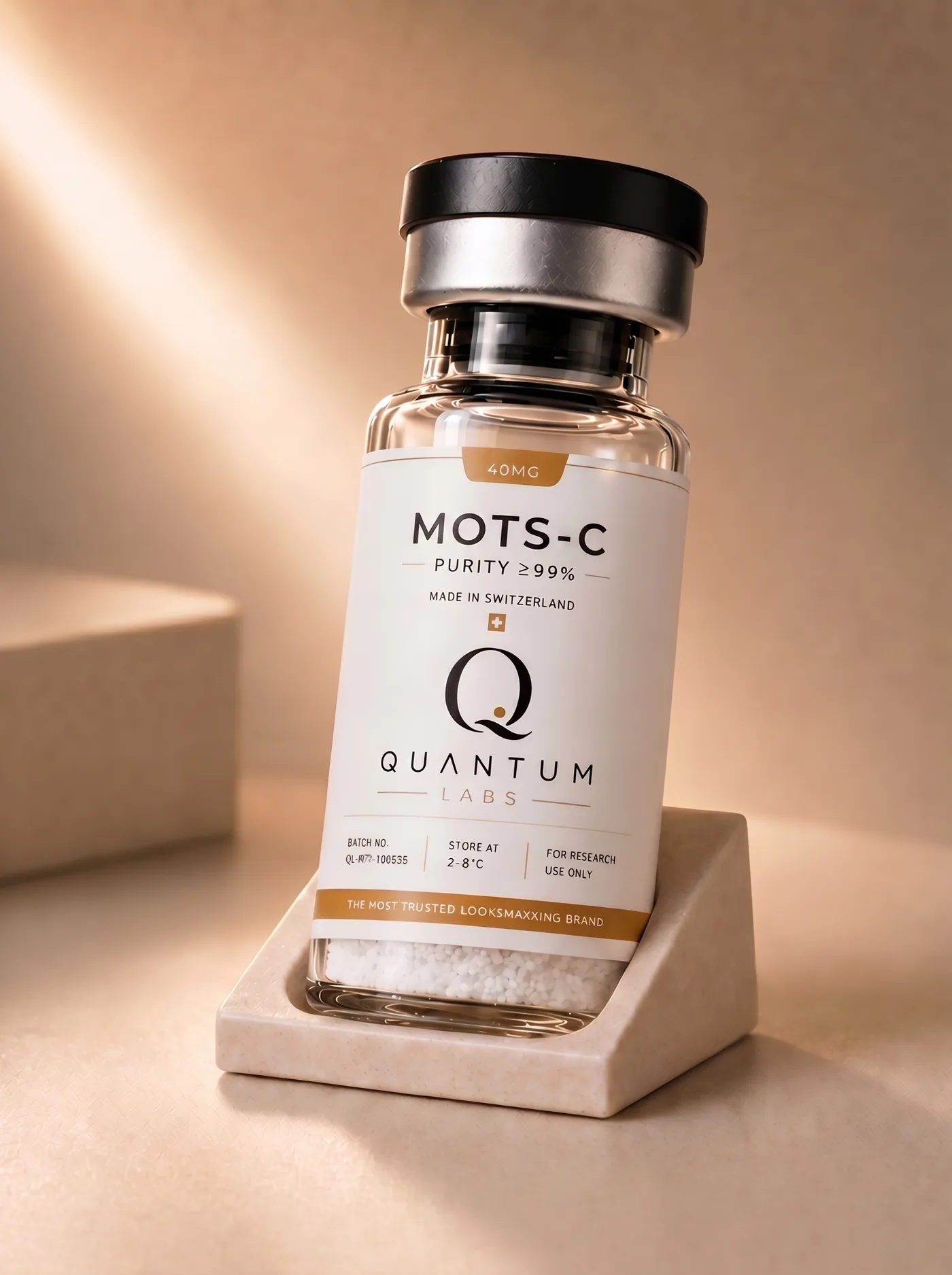
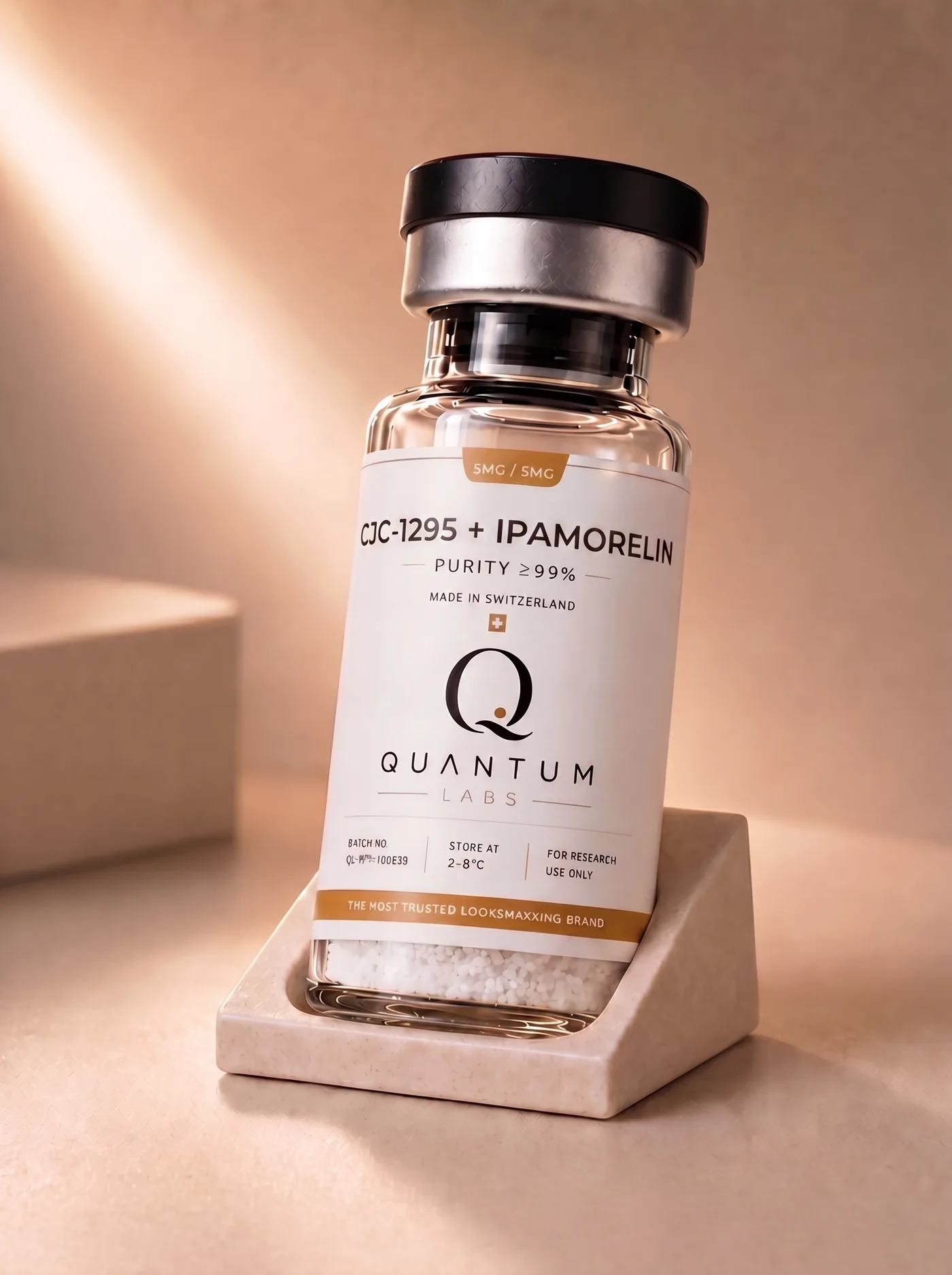 2× pack of 10 vials
2× CJC-1295 + Ipamorelin
5mg + 5mg / vial · Lyophilized powder
Classical GHRH + ghrelin mimetic stack
About the Performance & Endurance Stack
The Performance & Endurance Stack pairs systemic growth-hormone signalling (HGH) with a mitochondrially-derived metabolic peptide (MOTS-c) and the most-studied GH secretagogue pairing in pre-clinical literature (CJC-1295 + Ipamorelin). The combination is designed for research applications investigating performance, endurance, and recovery-pathway modulation in athletic-research populations.
The 10-week cycle structure reflects the longer adaptation windows that performance and endurance research literature typically uses — shorter windows underestimate the steady-state effects of GH secretagogues, while longer windows risk confounding adaptation effects with the intervention itself.
All compounds are HPLC-verified to ≥99% purity, batch-traceable, and ship from Australian stock. The kit is supplied for laboratory research use only and is not represented for human therapeutic use.
Why these compounds together
Human growth hormone (HGH) provides systemic anabolic, recovery, and metabolic signalling — the foundational hormone whose pulsatile rhythm is the central focus of the broader research literature on GH-axis modulation. The protocol includes HGH as the systemic backbone of the stack.
CJC-1295 + Ipamorelin amplify endogenous GH release through complementary receptor pathways. CJC-1295 (a GHRH analogue) binds the GHRH receptor on pituitary somatotrophs; Ipamorelin (a selective ghrelin-receptor agonist) binds the growth-hormone secretagogue receptor. The two pathways are independent but synergistic — combining them produces a larger pulsatile GH response in research models than either compound alone, while leaving the natural pulsatile rhythm intact.
MOTS-c covers the mitochondrial side of the performance question. Mitochondrial output is the rate-limiting factor for sustained endurance work, and MOTS-c is studied as a putative AMPK pathway activator that supports mitochondrial fatty-acid oxidation and exercise capacity. The pairing of GH-axis signalling with mitochondrial-pathway support is designed to cover both anabolic and oxidative-output sides of the performance research question.
Cycle structure
The 10-week cycle aligns with common adaptation windows in performance and GH-axis research literature. Phase 1 (weeks 1-3) establishes baseline measurements and dose titration; phase 2 (weeks 4-8) covers the peak intervention window; phase 3 (weeks 9-10) covers taper and post-intervention measurement.
Researchers should reference primary literature for protocol-specific dosing — the kit is supplied as research materials, not as a fixed clinical regimen.
Why these compounds together
HGH provides systemic anabolic and recovery signalling, MOTS-c supports mitochondrial output, and the CJC + Ipamorelin pairing drives endogenous GH pulses. Research suggests synergistic effects on output and endurance markers.
Advanced researchers training at high volume and intensity.
Research cycle structure
Performance & Endurance Stack — frequently asked questions
What peptides are used for muscle growth research?
The most extensively studied compounds in muscle-growth research include human growth hormone (HGH), GHRH analogues (CJC-1295, Tesamorelin), GH secretagogues (Ipamorelin), and IGF-1 family peptides. Pairing of CJC-1295 with Ipamorelin is the most common combination in pre-clinical GH-axis research. The Quantum Labs Performance & Endurance Stack pairs HGH with the CJC + Ipamorelin combination plus MOTS-c for mitochondrial-pathway support.
What is the difference between HGH and GH secretagogues?
HGH provides direct exogenous growth-hormone signalling. GH secretagogues (CJC-1295, Ipamorelin, Tesamorelin) stimulate the pituitary to release endogenous GH in a more naturalistic pulsatile pattern. Research protocols often pair the two — exogenous HGH provides baseline coverage, secretagogues preserve pulsatile rhythm. The Performance Stack uses both.
Is the Performance Stack legal in Australia?
HGH is a prescription-only medicine (S4) in Australia. The Performance Stack is supplied for research and laboratory use only, not for human therapeutic supply. Researchers should ensure their use complies with applicable institutional and regulatory requirements. Quantum Labs supplies this stack for laboratory and pre-clinical research use only. It is not represented for human therapeutic use, and questions about clinical dosing or expected personal outcomes should be directed to a qualified medical practitioner.
What does the Performance & Endurance Stack kit contain?
3× HGH vials, 2× MOTS-c vials, 2× CJC-1295 + Ipamorelin vials — sized for the 10-week research cycle. All compounds lyophilised, sealed, HPLC-verified ≥99% purity, batch-traceable. Ships from Australian stock as a single kit.
Is PCT needed for the Performance Stack?
Post-cycle therapy is generally associated with research protocols that suppress the HPG axis (androgen-receptor agonists, SARMs, AAS). The Performance Stack focuses on the GH-IGF-1 axis rather than the HPG axis, so structured PCT is not part of the protocol design. Researchers should monitor the relevant biomarkers for their specific study question.
How long is a typical performance peptide research cycle?
GH-axis research cycles in published literature commonly run 8-16 weeks, with 10 weeks being a frequent middle ground. Shorter cycles underestimate steady-state effects; longer cycles risk confounding adaptation with the intervention. The Performance & Endurance Stack is sized for the 10-week window.
Research Use Only. This compound is sold strictly for in-vitro research and laboratory purposes and is not intended for human consumption or therapeutic use. By purchasing you confirm you are a qualified researcher and agree to our full disclaimer.
Ready to start this protocol?
All 7 vials sized for the 10-week cycle, plus the protocol guide PDF. Shipped worldwide.
Not sure? Take the 60-second quiz