
Semax Australia: Nootropic Research Peptide Guide | Quantum Labs
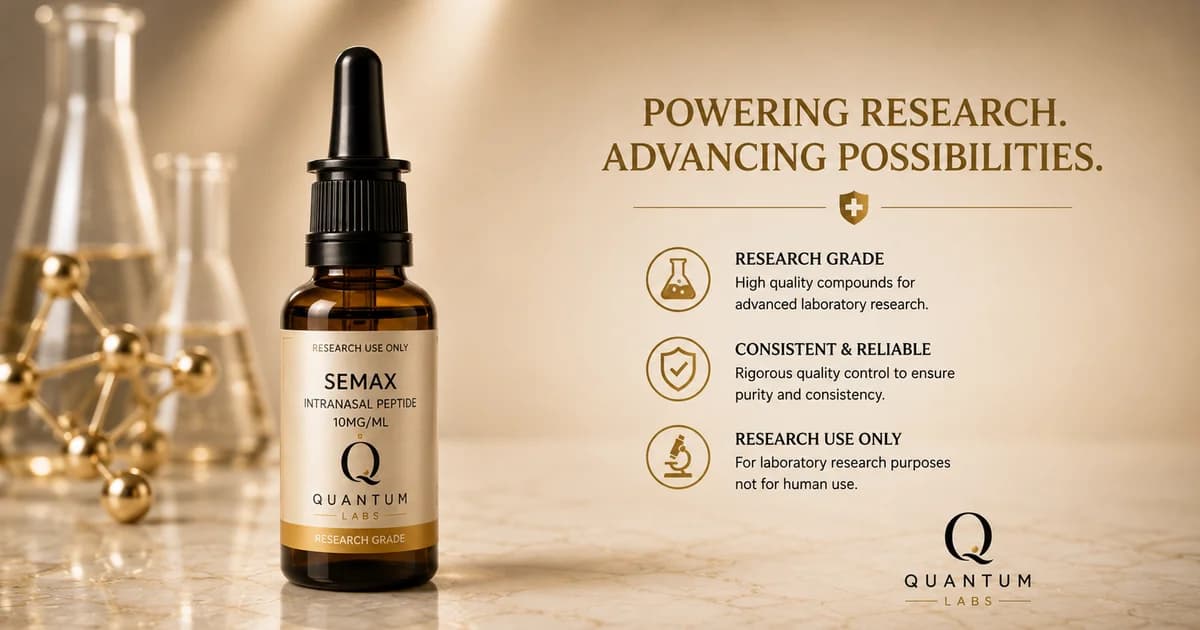
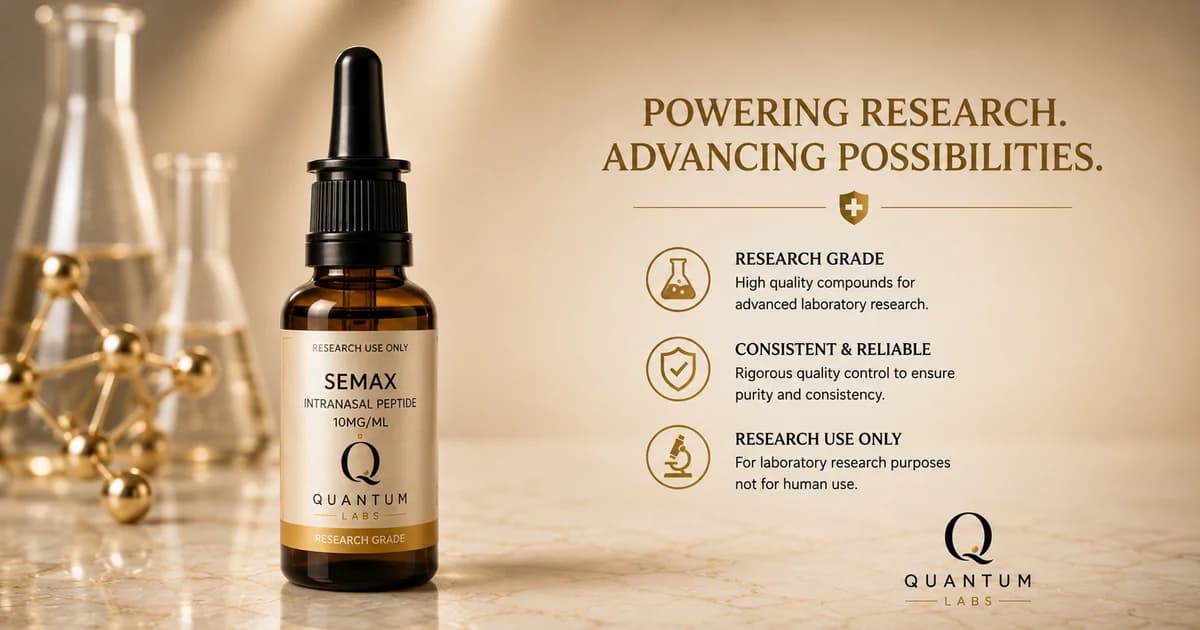
What Semax is, how intranasal nootropic research frames it, Semax vs Selank, Australian research-supply rules, purity standards, and literature dosing ranges.
Peer-reviewed research summaries, mechanism explainers, and what the current literature says about peptides used in performance and recovery research.

What Semax is, how intranasal nootropic research frames it, Semax vs Selank, Australian research-supply rules, purity standards, and literature dosing ranges.

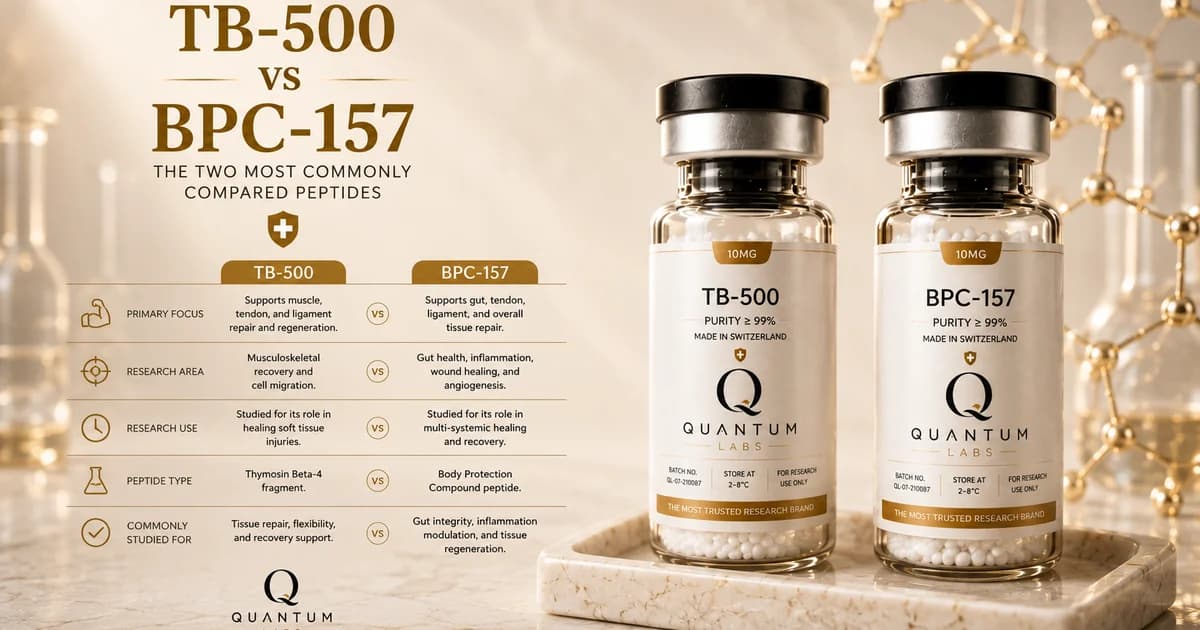
Standalone TB-500 research guide — actin-binding mechanism, tissue-repair models, handling, Australian supply framing, and how it differs from BPC-157.

MOTS-c explained for Australian researchers — mitochondrial-derived peptide biology, metabolic study themes, handling, stacks, and research-use supply standards.

Selank research guide for Australia — tuftsin-derived heptapeptide, vs Semax, intranasal delivery, legality framing, purity standards, and catalogue links.

PT-141 (bremelanotide) research overview — melanocortin pathway, vs Melanotan-2, delivery routes, Australian research-supply framing, and quality standards.

Retatrutide as a GLP-1/GIP/glucagon tri-agonist research peptide — how it differs from tirzepatide and semaglutide literature, research-only framing, handling, and AU compliance.

NAD+ research guide — redox cofactor biology, aging literature themes, vs NMN/NR precursors, handling, and Australian research-supply standards.

Epithalon (Epitalon) research guide — tetrapeptide longevity literature, telomerase themes, spelling variants, handling, and AU research-use supply.

Peptide therapy, compounded peptides, registered medicines, and research peptides — three Australian pathways often confused for one. How to self-route to the correct one.

Reading BPC-157 reviews and evaluating Australian research peptide suppliers — what COAs, fulfilment, and verifiable signals tell you that star ratings can't.

Intranasal peptides for research — Semax, Selank, PT-141, and the nose-to-brain delivery literature. What the absorption research shows and the Australian regulatory frame.

BPC-157 capsules vs injection — why this peptide is unusual for oral delivery, what the research compares, and the format-choice framework for research protocols.

Are peptides steroids? No — they're structurally and mechanistically different molecules. The amino-acid vs steroid-nucleus distinction, receptor pathways, and side-effect profiles.

Practical guide for AU researchers — HPLC purity, third-party verification, batch traceability, regulatory framing, and what separates quality research-peptide supply from the rest.

What the melanocortin peptide research literature documents — Melanotan I, Melanotan II, PT-141. Receptor selectivity, regulatory status in Australia, honest research framing.

Research-grade peptides shipped to every Australian postcode. Adelaide, Canberra, Hobart, Darwin, and regional Australia — logistics, climate considerations, and the smaller-centre research context.

Thymosin Alpha 1 research — T-cell maturation, dendritic cell activation, viral infection adjunct studies. How it differs from Thymosin Beta 4 / TB-500.

Research-grade peptides shipped to Perth and Western Australia from Australian stock. UWA/Curtin/Murdoch research context, transit logistics, occupational-recovery research demand.

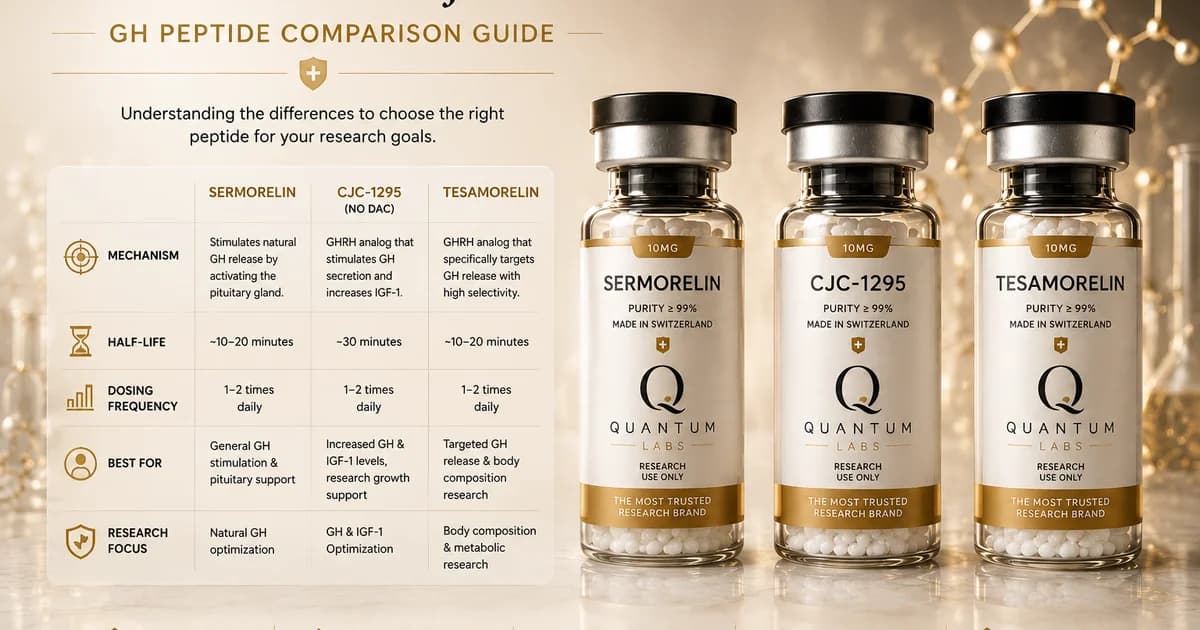
Sermorelin, CJC-1295, and Tesamorelin compared — half-life, mechanism, research applications, Australian regulatory status, and which GHRH analogue suits which research.

Research-grade peptides shipped to Brisbane, Gold Coast, and Queensland. QIMR/UQ research context, sports-medicine demand, tropical-climate storage considerations.

Research-grade peptides shipped to Sydney from Australian stock. Garvan/UNSW/USyd research context, BPC-157 / tissue-repair / GH-axis demand, clinic-vs-research distinction.

Research-grade peptides shipped to Melbourne from Australian stock. Parkville biomedical context, BPC-157 / GH-axis / GHK-Cu research demand, clinic-vs-research-supply distinction.

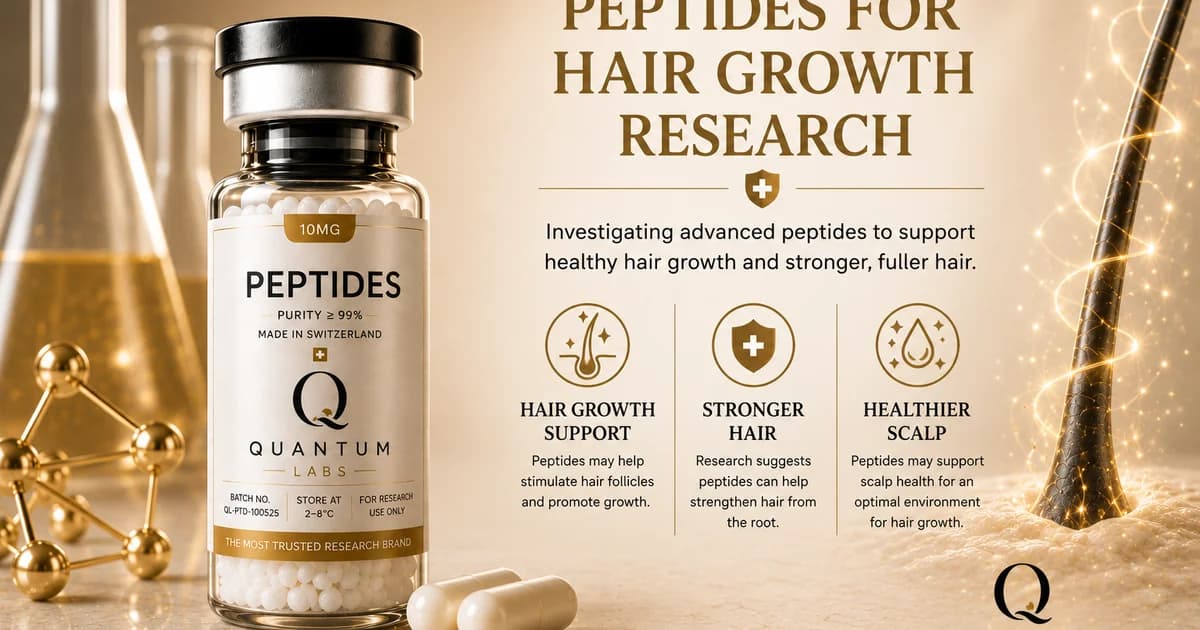
Peptides for hair growth research — GHK-Cu, BPC-157, the hair-cycle biology, cosmetic-vs-research pathways, and dual regulatory framework in Australia.

Anti-aging peptides for longevity research — Epithalon, NAD+, SS-31, MOTS-c, GHK-Cu, GH-axis compounds. Mechanisms behind aging-biology research framing.

SARMs vs peptides — different molecules, different mechanisms, different regulatory categories. Honest comparison for Australian research contexts.

Peptides for skin research — GHK-Cu, Argireline, matrixyl, BPC-157. What dermal-pathway peptides do, dual regulatory pathways, and Australian research supply.

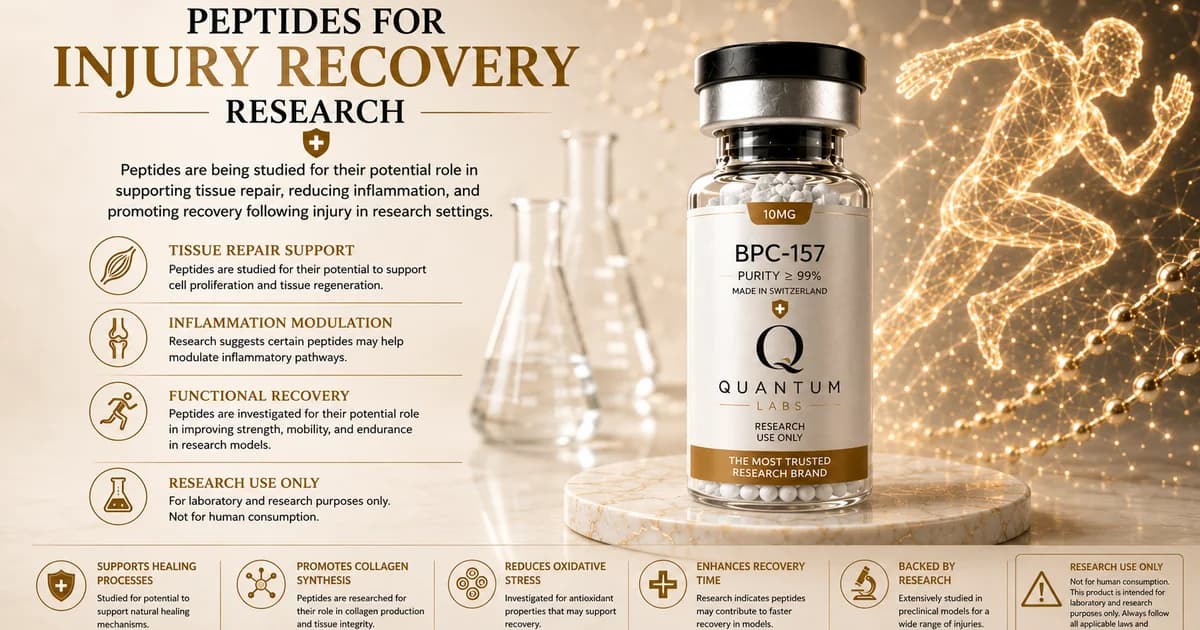
Peptides for injury recovery research — BPC-157, TB-500, GHK-Cu, Glutathione, GH secretagogues. Mechanisms, cascade stages, and stack design for AU research.

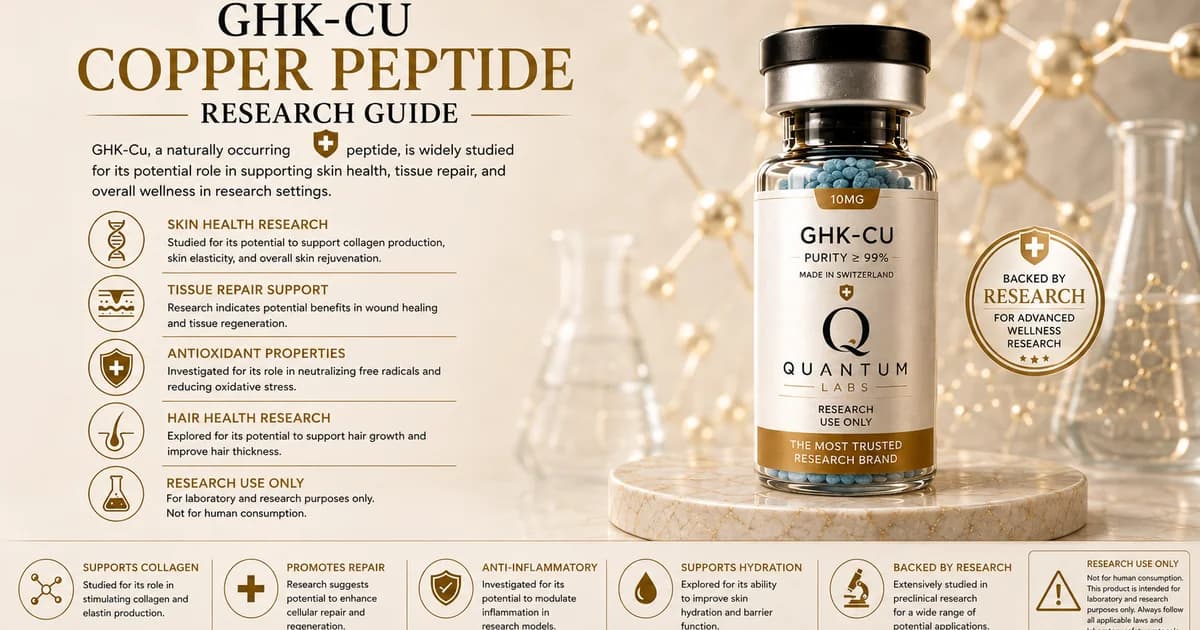
GHK-Cu copper peptide research guide — mechanism, dermal collagen synthesis, hair-follicle research, dosing, side effects, and Australian regulatory context.

What pre-clinical and clinical research literature documents about research peptide safety — BPC-157, GH secretagogues, GHK-Cu, incretin compounds.

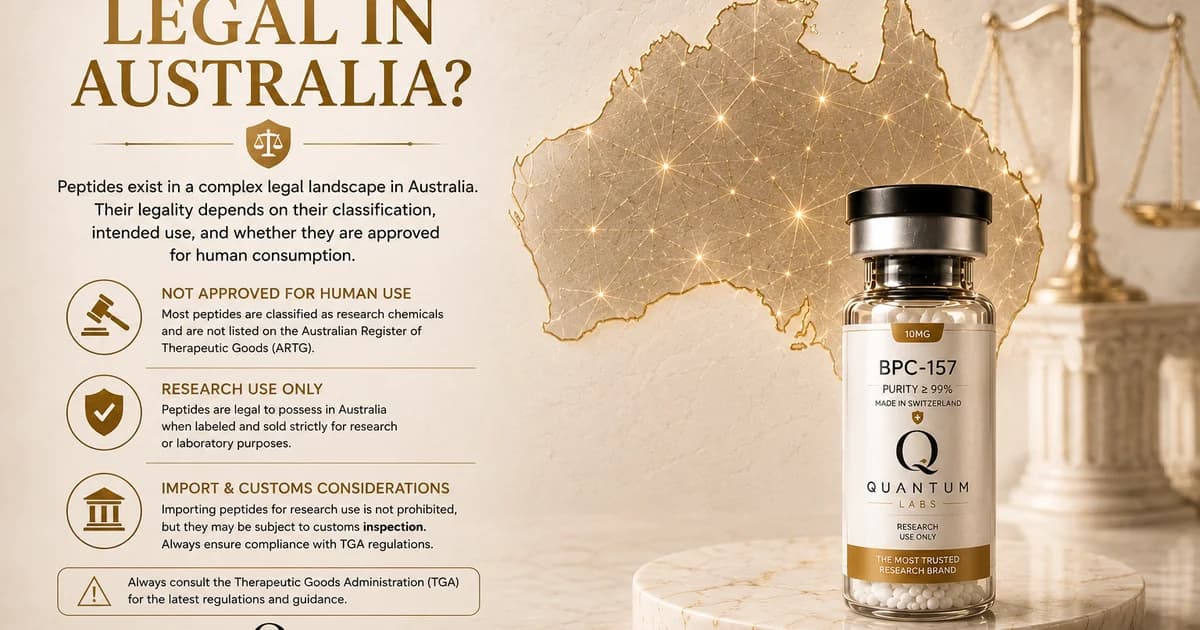
Are peptides legal in Australia? A clear walk-through of the four regulatory categories — prescription, compounded, research-grade, and cosmetic — for AU researchers.

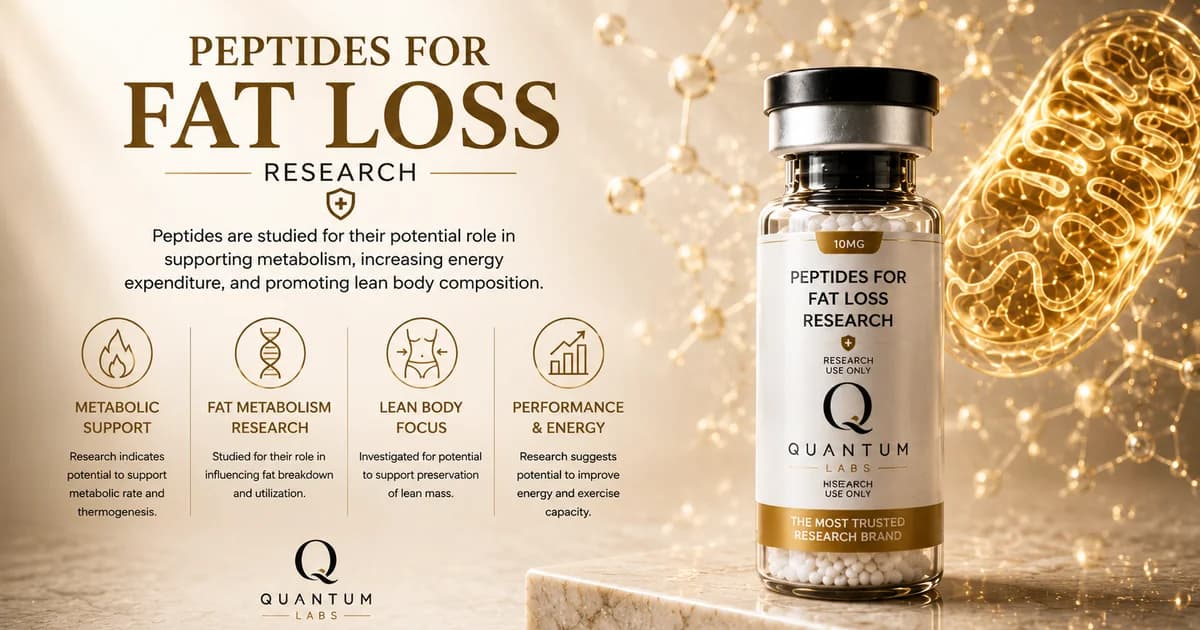
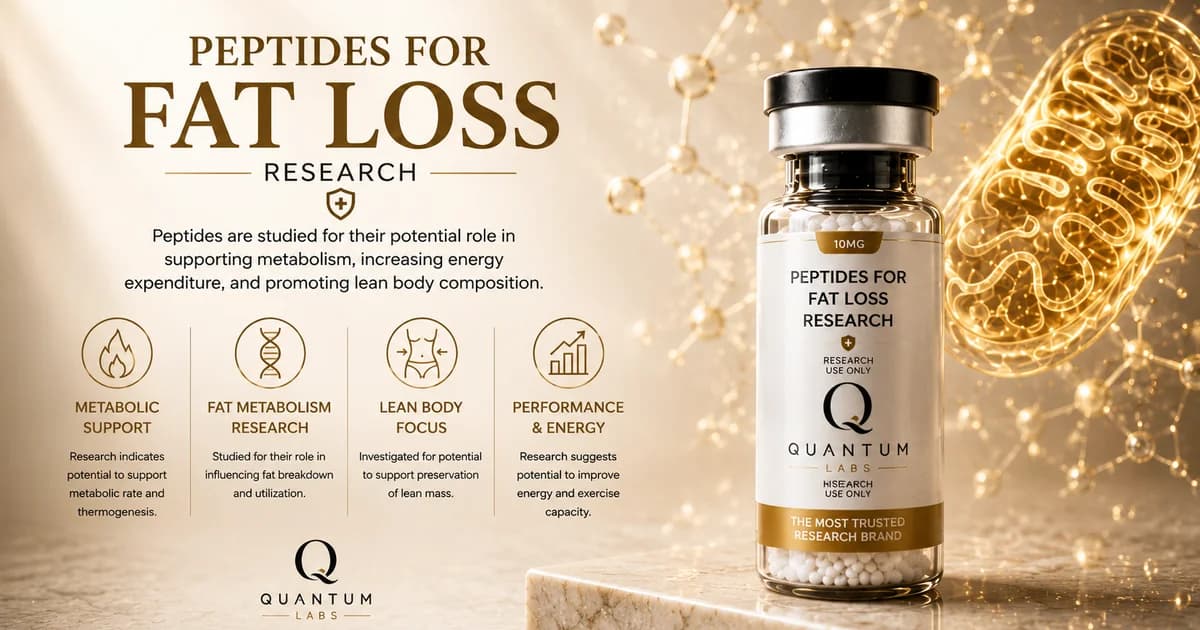
Peptides used in fat loss research — Retatrutide, tirzepatide, MOTS-c, AOD 9604, 5-Amino-1MQ, L-Carnitine. What the literature actually examines.

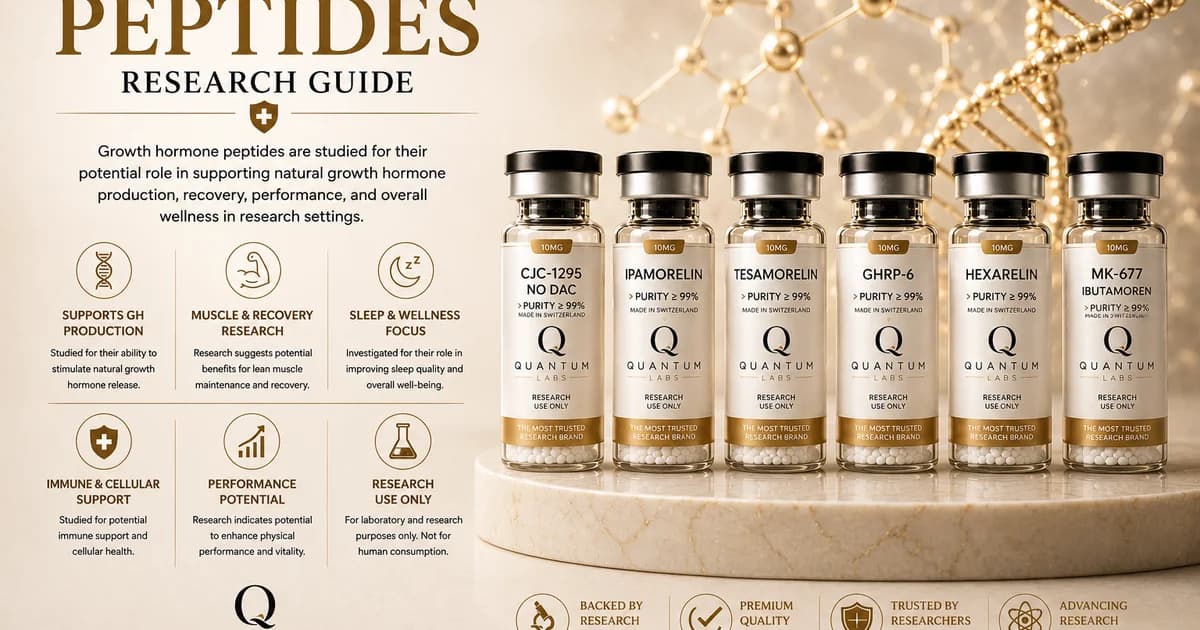
Growth hormone peptides — CJC-1295, Ipamorelin, Tesamorelin, and HGH. How GHRH analogues and ghrelin agonists are studied together in GH-axis research.

What the BPC-157 research actually shows — mechanism, dosing, side effects, legal status in Australia, and how the literature frames this research peptide.