
Peptide Therapy vs Research Peptides: What's the Difference? | Quantum Labs
Peptide therapy, compounded peptides, registered medicines, and research peptides — three Australian pathways often confused for one. How to self-route to the correct one.
In-house Research Desk
The Quantum Labs research desk is an in-house team translating peer-reviewed primary literature into research-use summaries for the Australian peptide-research community. Every article is grounded in published pre-clinical and clinical research, written within the TGA compliance frame, and reviewed for technical accuracy before publication. We don't write therapeutic recommendations — for clinical questions, consult a qualified medical practitioner.

Peptide therapy, compounded peptides, registered medicines, and research peptides — three Australian pathways often confused for one. How to self-route to the correct one.

Reading BPC-157 reviews and evaluating Australian research peptide suppliers — what COAs, fulfilment, and verifiable signals tell you that star ratings can't.

Intranasal peptides for research — Semax, Selank, PT-141, and the nose-to-brain delivery literature. What the absorption research shows and the Australian regulatory frame.

BPC-157 capsules vs injection — why this peptide is unusual for oral delivery, what the research compares, and the format-choice framework for research protocols.

Are peptides steroids? No — they're structurally and mechanistically different molecules. The amino-acid vs steroid-nucleus distinction, receptor pathways, and side-effect profiles.

Practical guide for AU researchers — HPLC purity, third-party verification, batch traceability, regulatory framing, and what separates quality research-peptide supply from the rest.

What the melanocortin peptide research literature documents — Melanotan I, Melanotan II, PT-141. Receptor selectivity, regulatory status in Australia, honest research framing.

Research-grade peptides shipped to every Australian postcode. Adelaide, Canberra, Hobart, Darwin, and regional Australia — logistics, climate considerations, and the smaller-centre research context.

Thymosin Alpha 1 research — T-cell maturation, dendritic cell activation, viral infection adjunct studies. How it differs from Thymosin Beta 4 / TB-500.

Research-grade peptides shipped to Perth and Western Australia from Australian stock. UWA/Curtin/Murdoch research context, transit logistics, occupational-recovery research demand.

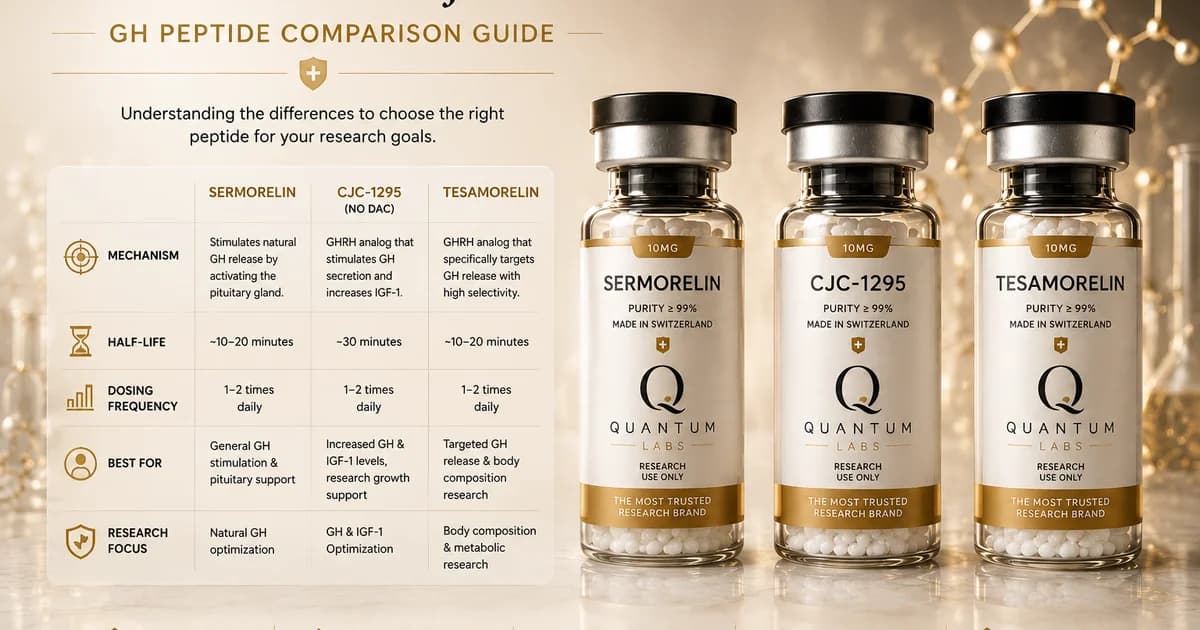
Sermorelin, CJC-1295, and Tesamorelin compared — half-life, mechanism, research applications, Australian regulatory status, and which GHRH analogue suits which research.

Research-grade peptides shipped to Brisbane, Gold Coast, and Queensland. QIMR/UQ research context, sports-medicine demand, tropical-climate storage considerations.

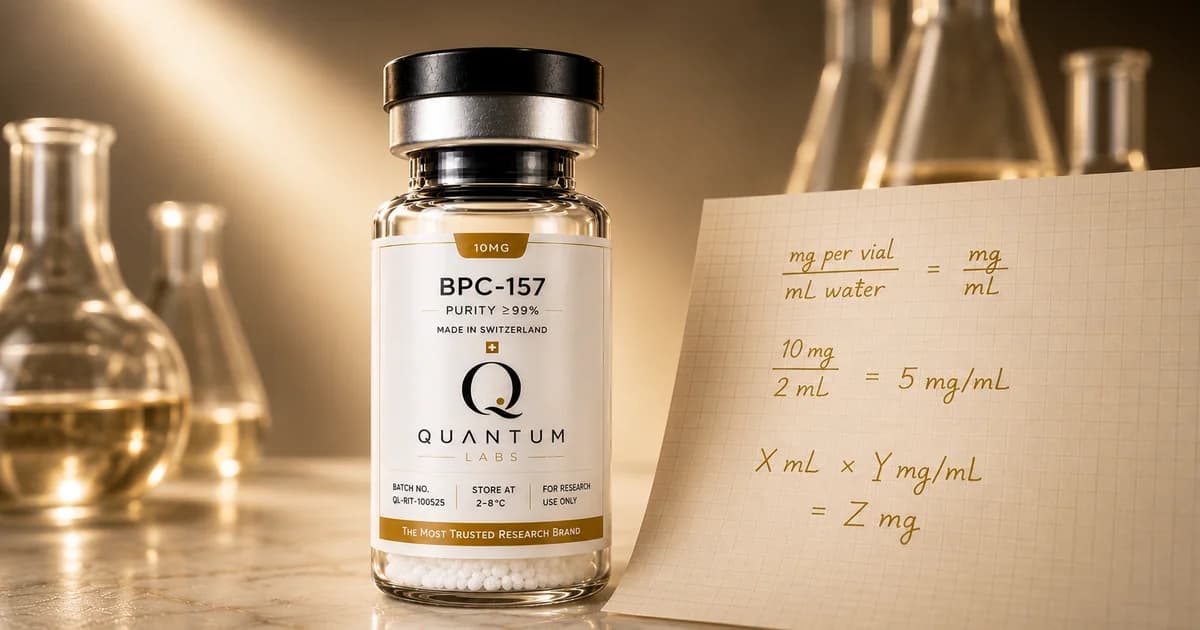
Practical research-peptide dose-volume math — reconstitution, working concentration, and worked examples for BPC-157, TB-500, MOTS-c, CJC-1295 + Ipamorelin, GHK-Cu.

Research-grade peptides shipped to Sydney from Australian stock. Garvan/UNSW/USyd research context, BPC-157 / tissue-repair / GH-axis demand, clinic-vs-research distinction.

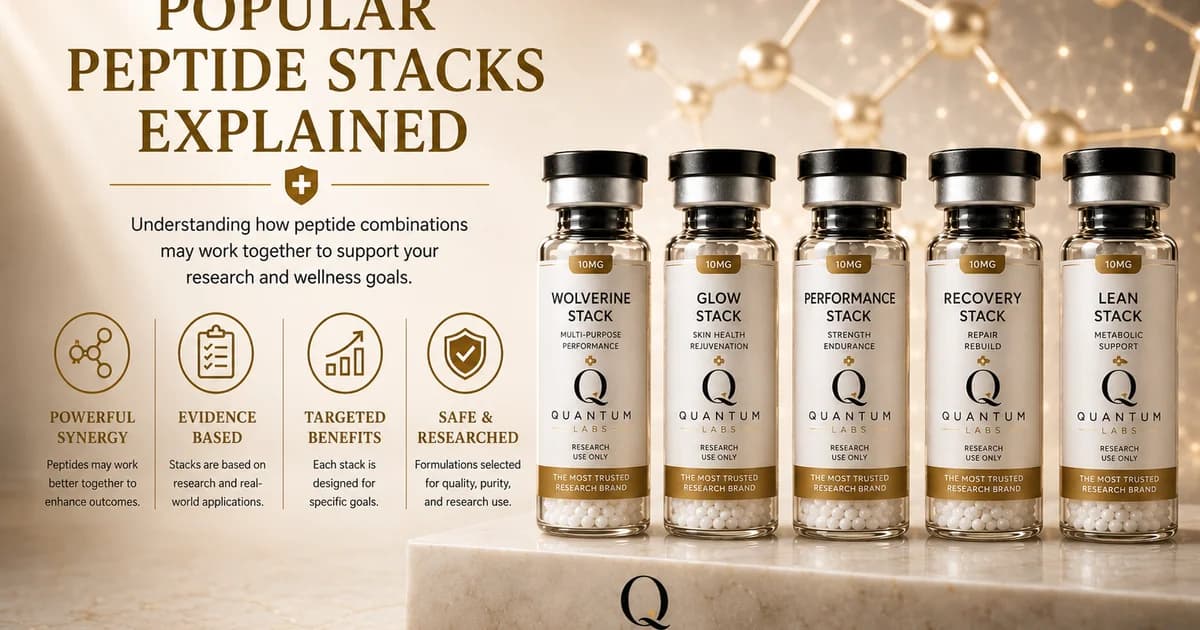
Wolverine stack, Glow stack, and other named peptide combinations — the research-framework explanation for each, and the compounds that make them up.

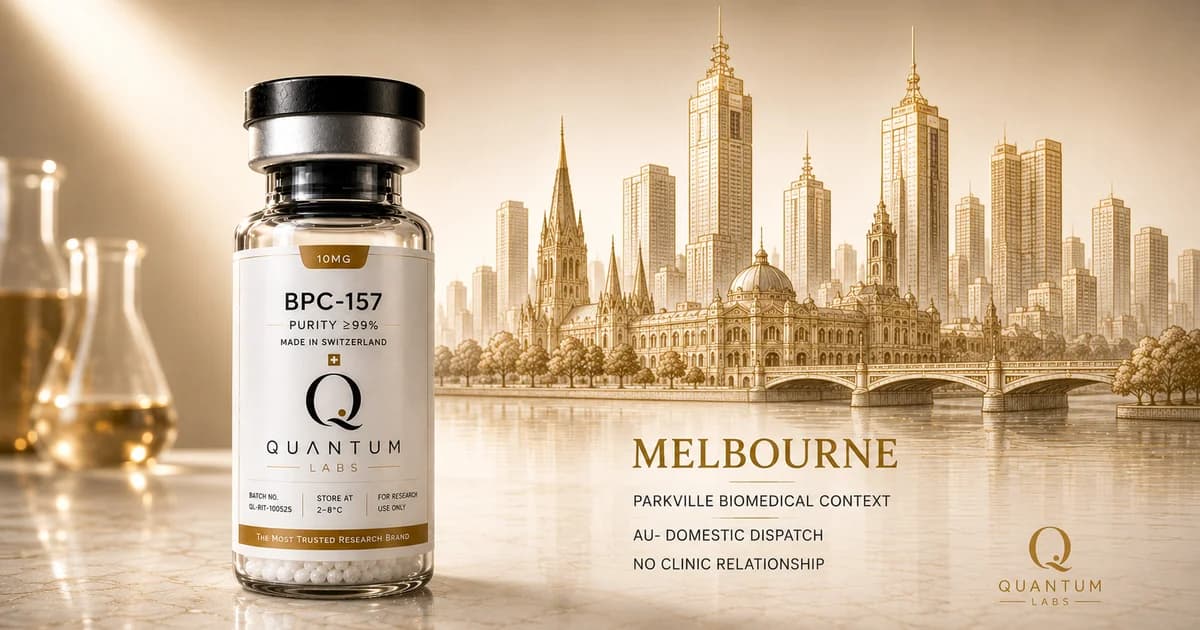
Research-grade peptides shipped to Melbourne from Australian stock. Parkville biomedical context, BPC-157 / GH-axis / GHK-Cu research demand, clinic-vs-research-supply distinction.

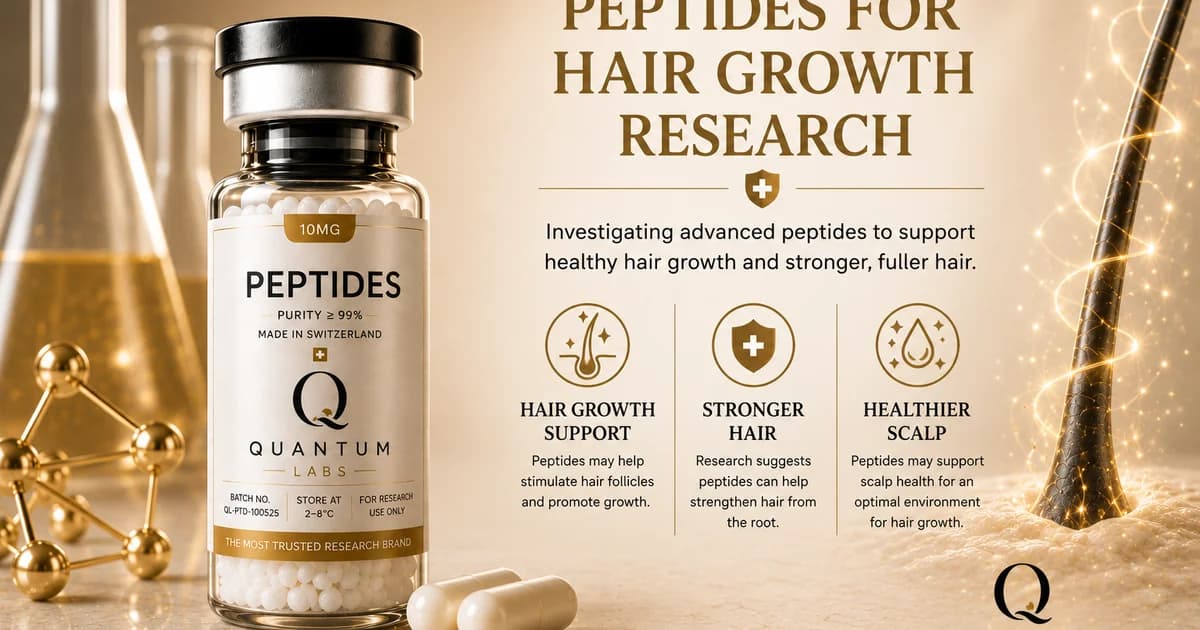
Peptides for hair growth research — GHK-Cu, BPC-157, the hair-cycle biology, cosmetic-vs-research pathways, and dual regulatory framework in Australia.

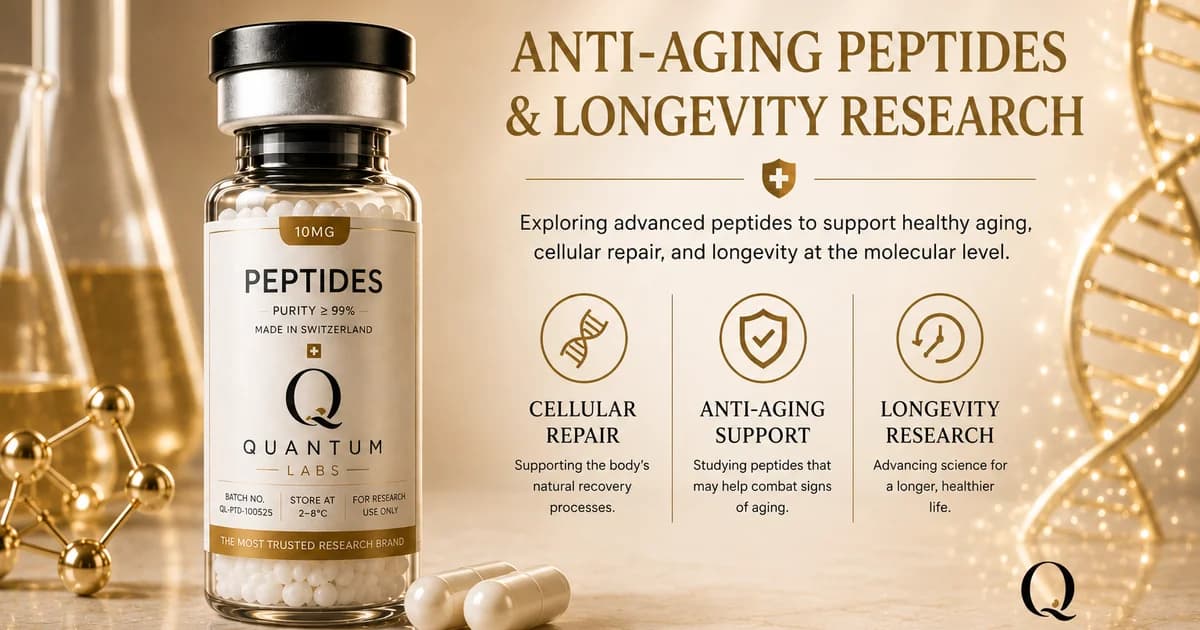
Anti-aging peptides for longevity research — Epithalon, NAD+, SS-31, MOTS-c, GHK-Cu, GH-axis compounds. Mechanisms behind aging-biology research framing.

SARMs vs peptides — different molecules, different mechanisms, different regulatory categories. Honest comparison for Australian research contexts.

Peptides for skin research — GHK-Cu, Argireline, matrixyl, BPC-157. What dermal-pathway peptides do, dual regulatory pathways, and Australian research supply.

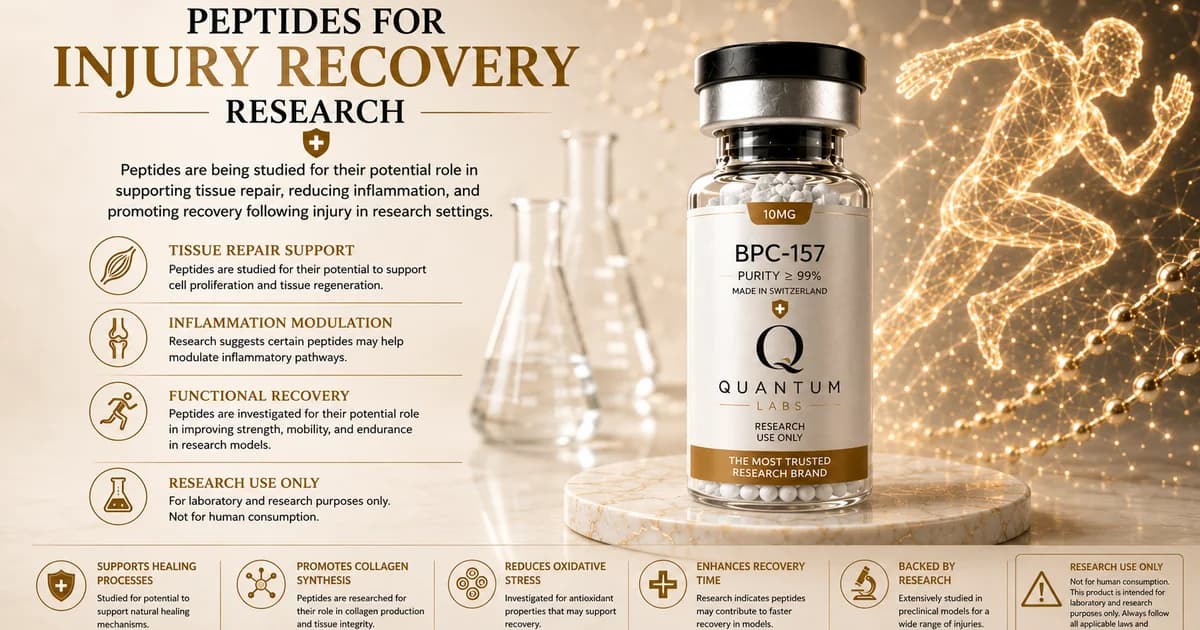
Peptides for injury recovery research — BPC-157, TB-500, GHK-Cu, Glutathione, GH secretagogues. Mechanisms, cascade stages, and stack design for AU research.

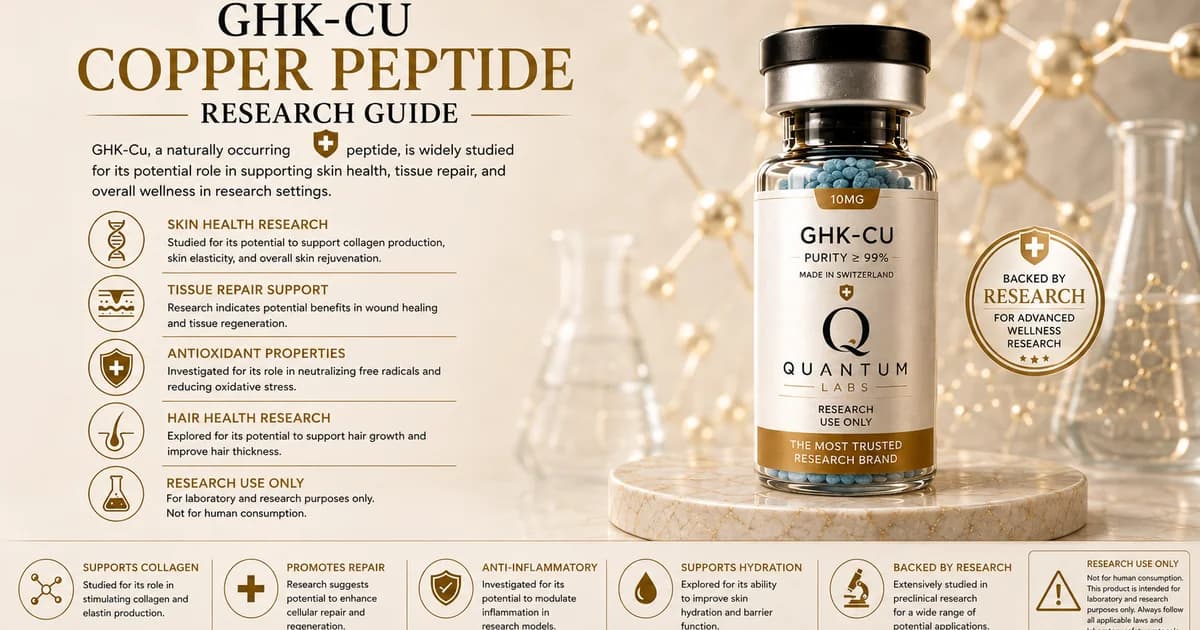
GHK-Cu copper peptide research guide — mechanism, dermal collagen synthesis, hair-follicle research, dosing, side effects, and Australian regulatory context.

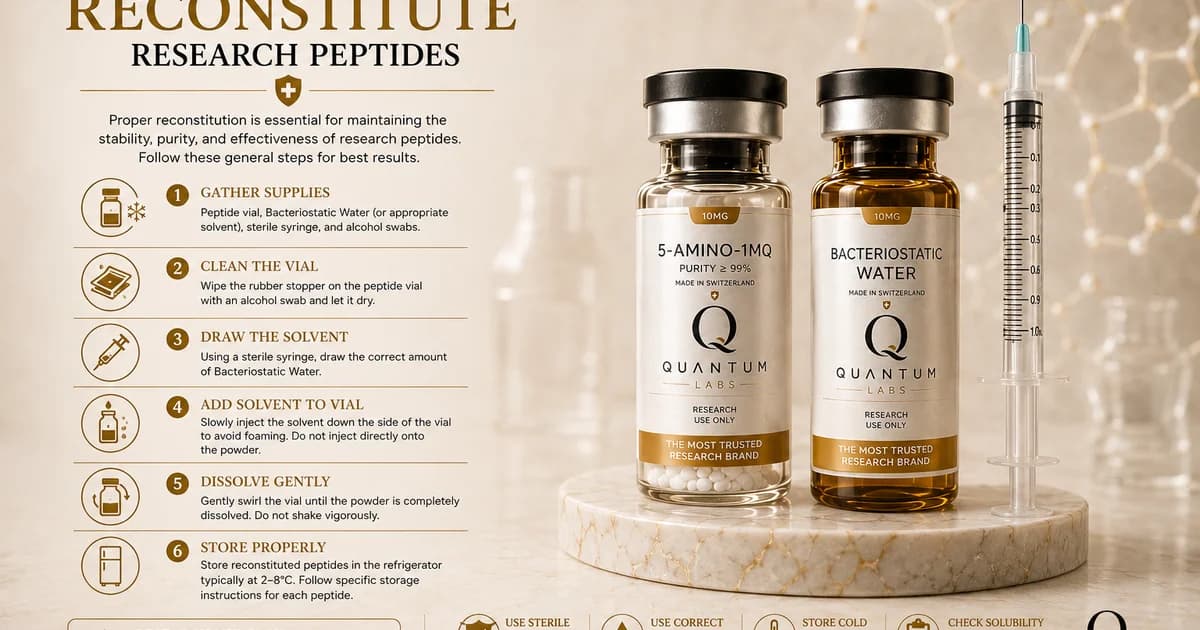
Step-by-step reconstitution guide for research peptides — bacteriostatic water, dose-volume math, storage, and common reconstitution mistakes to avoid.

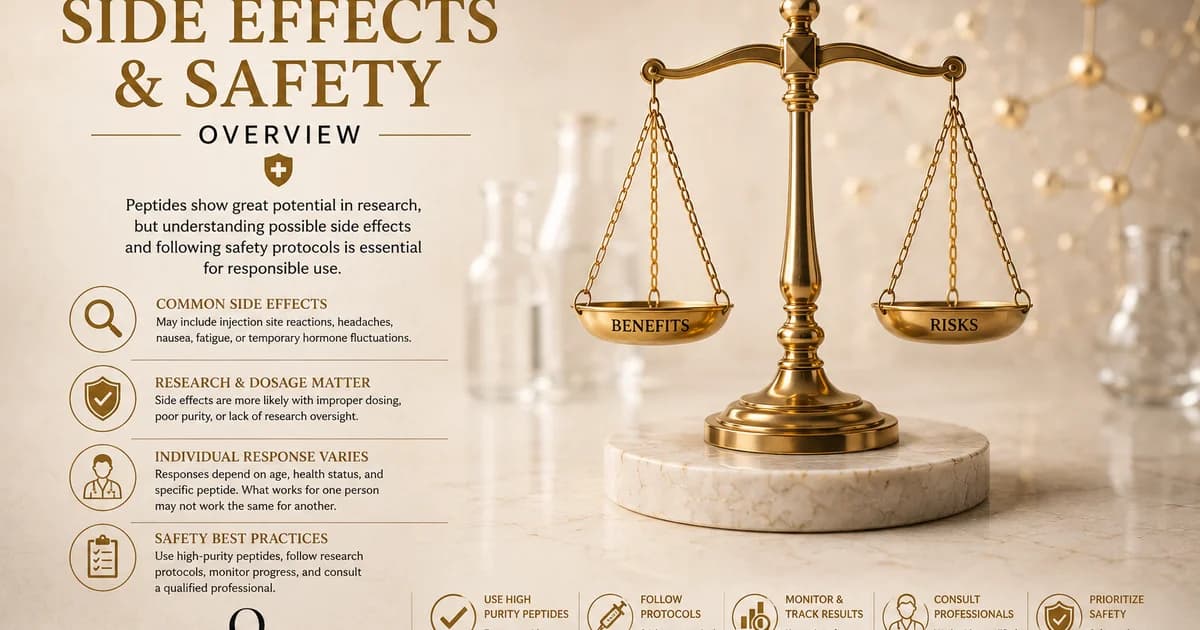
What pre-clinical and clinical research literature documents about research peptide safety — BPC-157, GH secretagogues, GHK-Cu, incretin compounds.

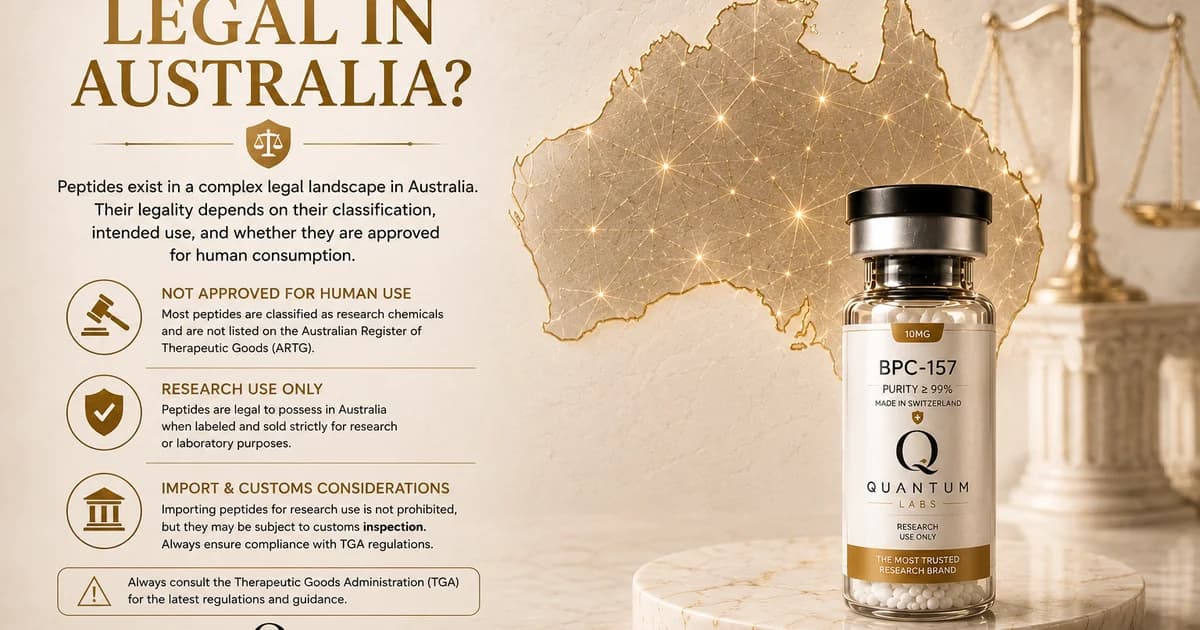
Are peptides legal in Australia? A clear walk-through of the four regulatory categories — prescription, compounded, research-grade, and cosmetic — for AU researchers.

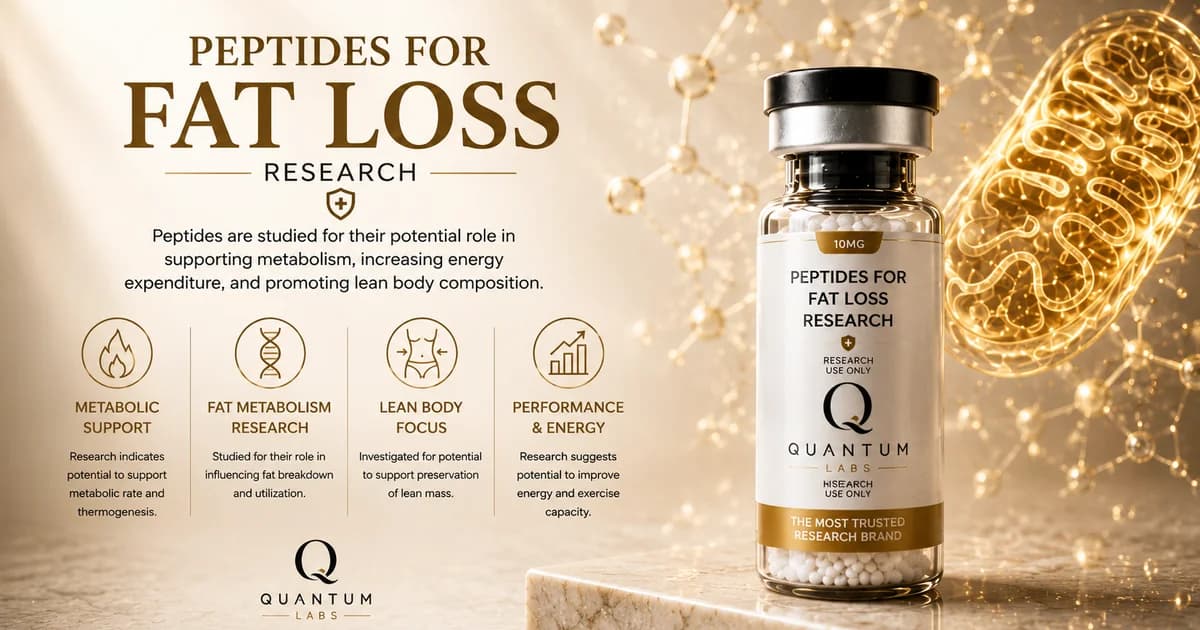
Peptides used in fat loss research — Retatrutide, tirzepatide, MOTS-c, AOD 9604, 5-Amino-1MQ, L-Carnitine. What the literature actually examines.

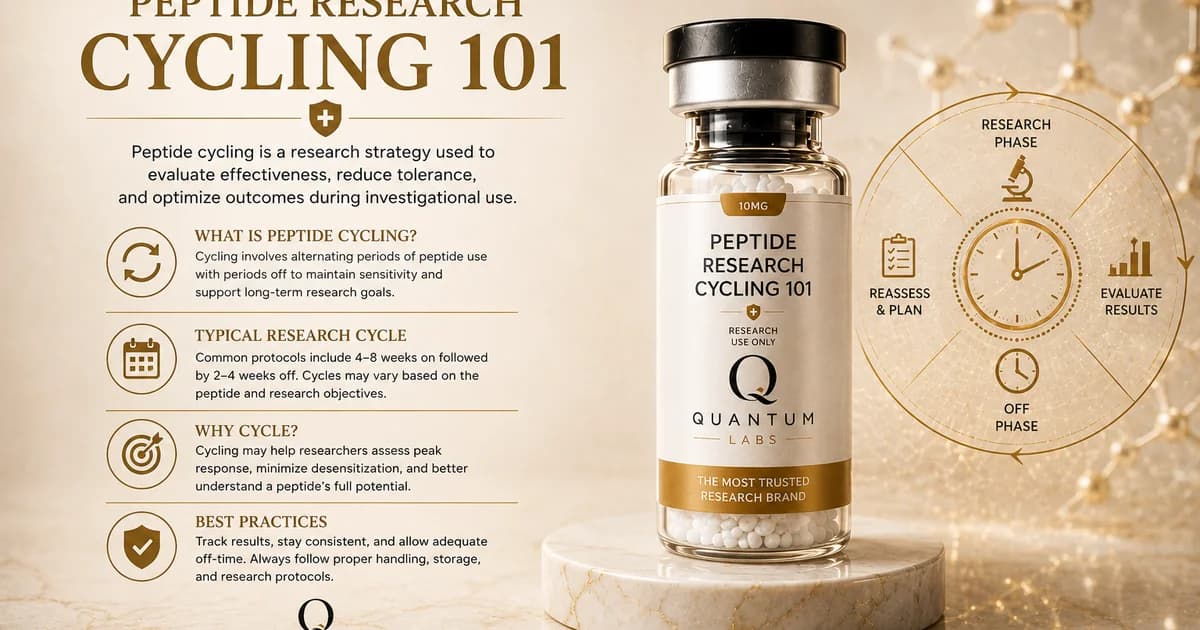
Why research peptide protocols run in 6-12 week cycles, how washout windows work, why stacks combine compounds, and how PCT applies to GH-axis research.

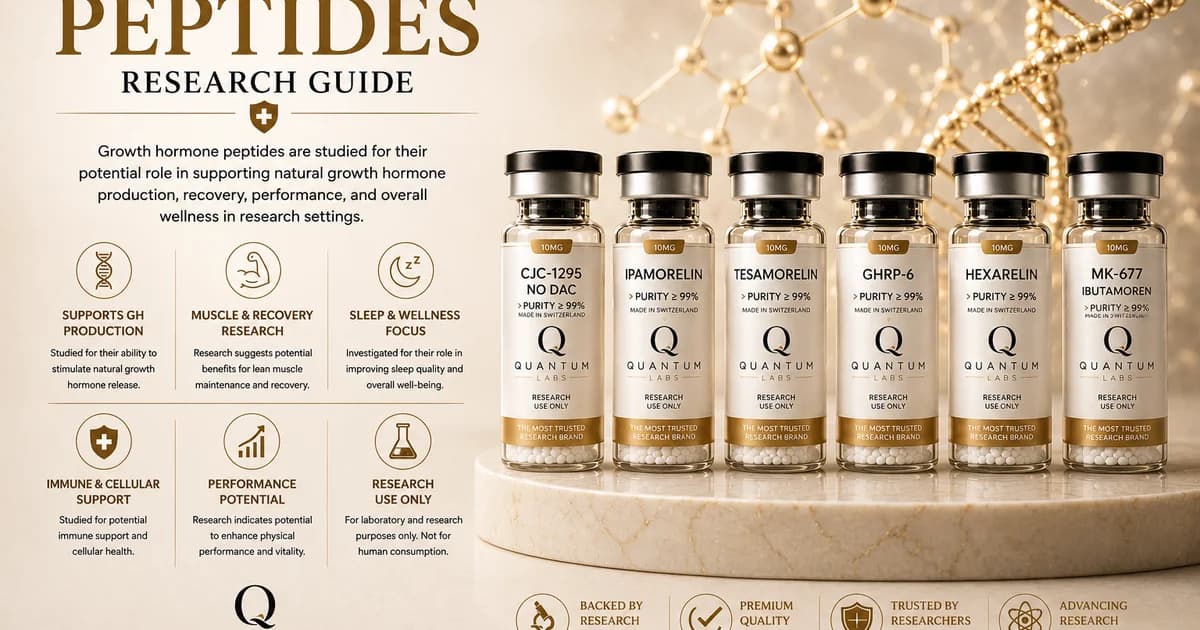
Growth hormone peptides — CJC-1295, Ipamorelin, Tesamorelin, and HGH. How GHRH analogues and ghrelin agonists are studied together in GH-axis research.

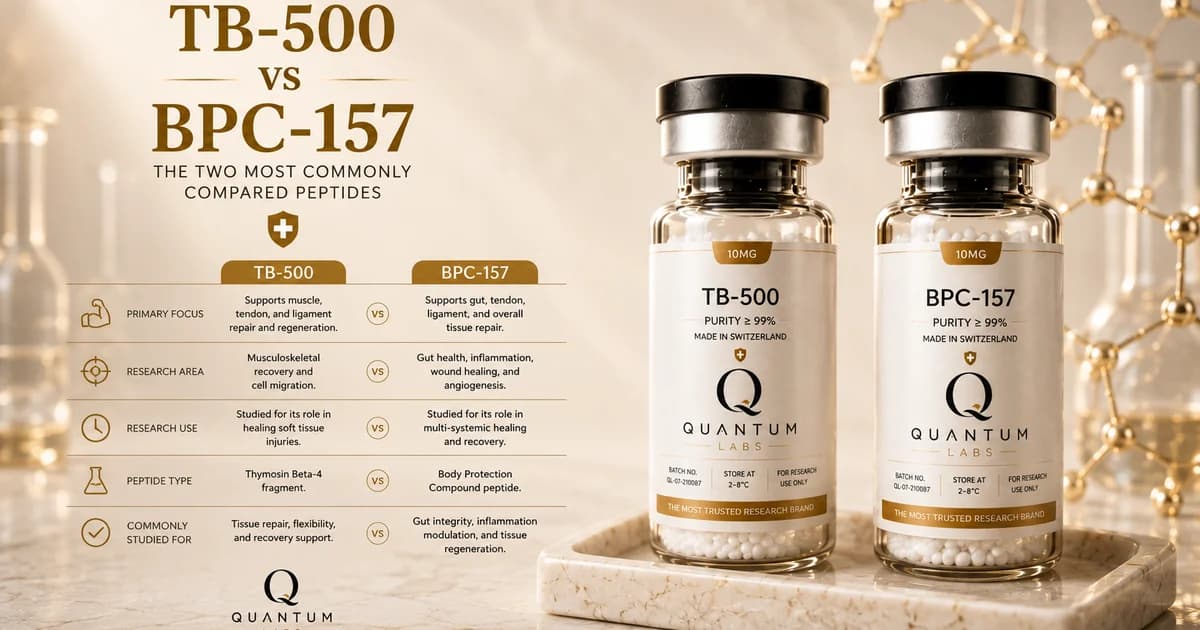
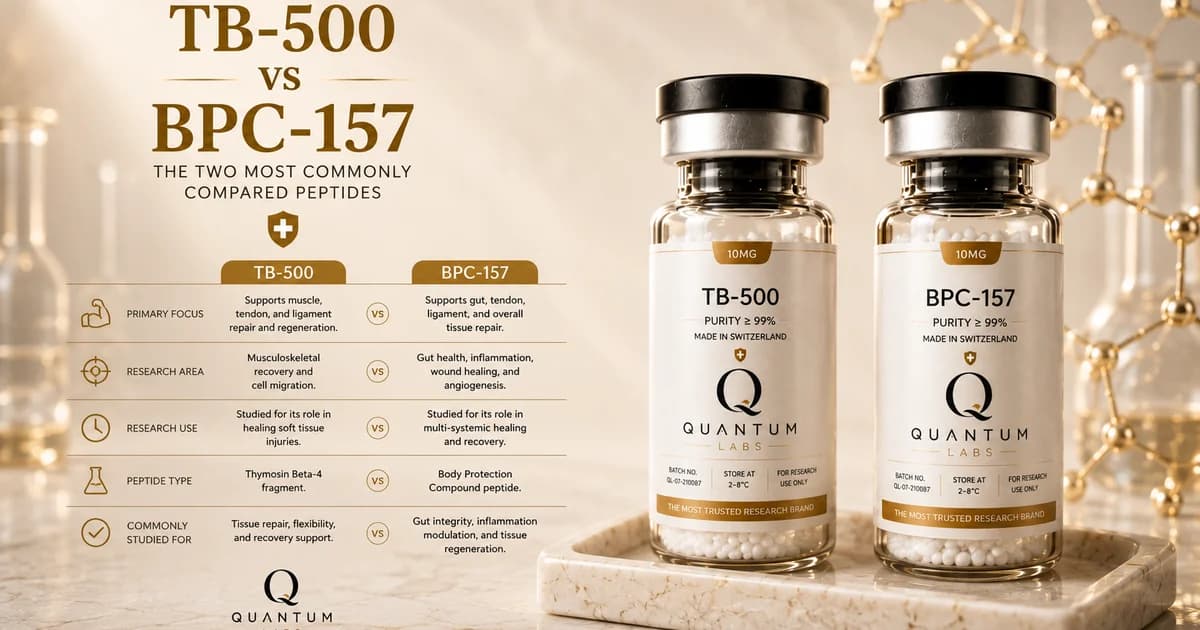
TB-500 vs BPC-157 — the mechanisms, where they differ, and why most research protocols stack them. Lab-verified ≥99% purity, Australian-shipped.

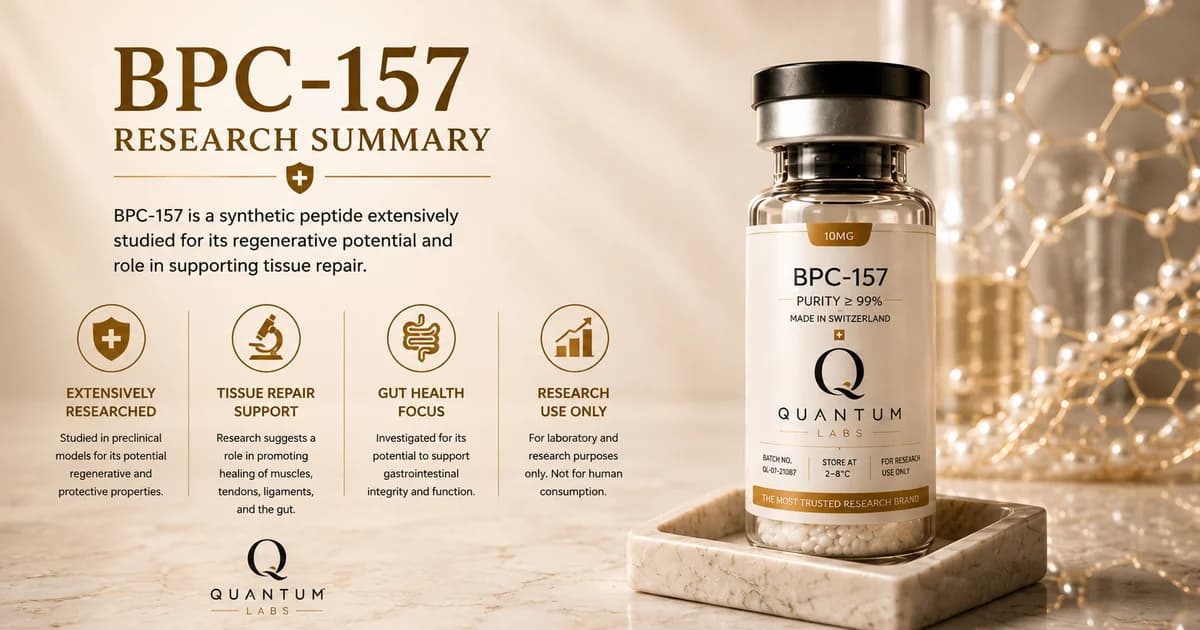
What the BPC-157 research actually shows — mechanism, dosing, side effects, legal status in Australia, and how the literature frames this research peptide.